Tag: Tutorial

  • Email Marketing Basics: Writing Effective Newsletters

    Email Marketing Basics: Writing Effective Newsletters

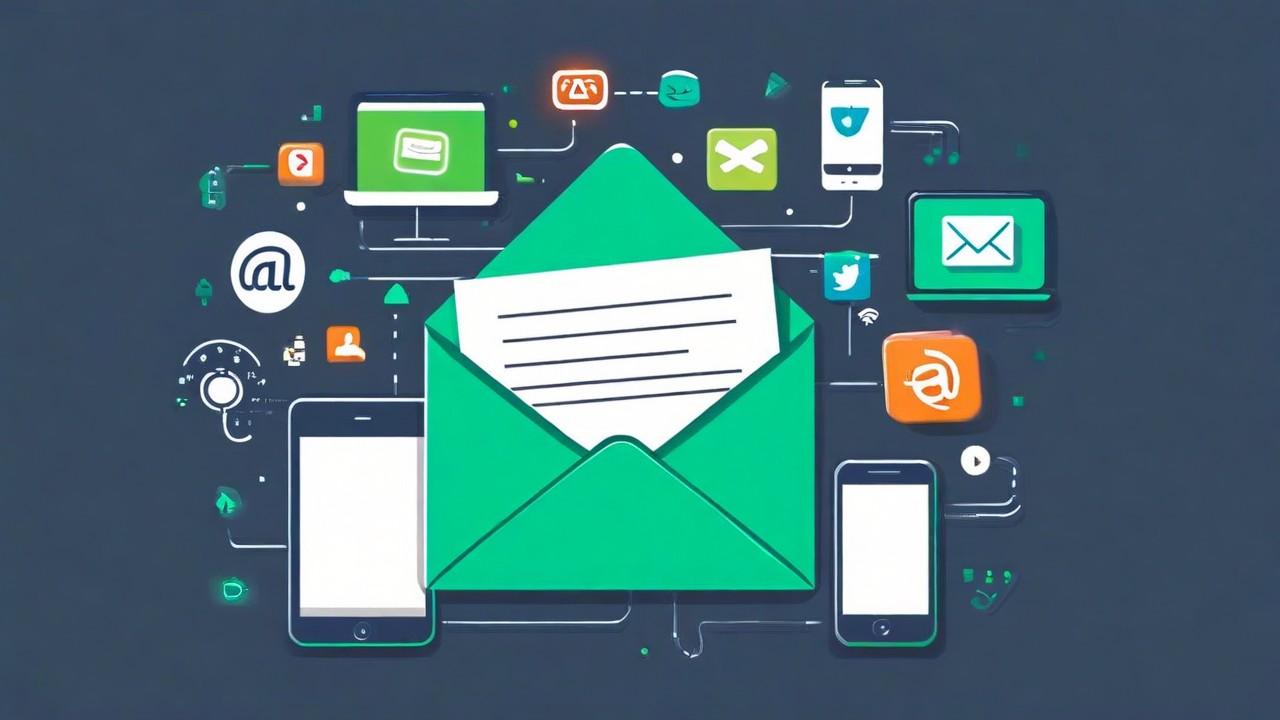
    Imagine this: You’ve just launched a new product, and you’re excited to share it with your audience. You’ve crafted the perfect email, but when you hit ‘send,’ it feels like you’re shouting into the void. Sound familiar? Crafting an effective newsletter is both an art and a science. In this comprehensive guide, we’ll explore the essentials of writing newsletters that not only reach your audience but also engage and convert them.

    Understanding Your Audience

    Understanding Your Audience

    Before you start writing, it’s crucial to understand who you’re writing for. Your audience’s preferences, behaviors, and pain points will shape the content and tone of your newsletter. For instance, if you’re targeting professionals, your language might be more formal and business-oriented. On the other hand, if your audience is a younger demographic, a more casual and conversational tone might be more effective.

    To gain deeper insights into your audience, consider conducting surveys or using analytics tools to gather data on their interests and behaviors. This information will help you tailor your content to meet their needs and expectations. Remember, the more you know about your audience, the better you can connect with them.

    Setting Clear Goals

    Setting Clear Goals

    Every newsletter should have a clear objective. Whether you’re aiming to inform, entertain, or promote a product, your goal will guide the content and structure of your email. For example, if your goal is to increase sales, your newsletter might include special offers, discounts, and compelling calls to action. On the other hand, if your aim is to build brand awareness, you might focus on sharing valuable content, industry news, and customer stories.

    Setting specific, measurable goals will also help you track the success of your newsletter. Use metrics such as open rates, click-through rates, and conversion rates to evaluate your performance and make data-driven decisions for future campaigns.

    Crafting Compelling Subject Lines

    Crafting Compelling Subject Lines

    The subject line is the first thing your recipients see, and it can make or break your email’s success. A compelling subject line grabs attention and entices the reader to open your email. To create effective subject lines, consider the following tips:

    • Be Clear and Concise: Keep your subject line short and to the point. Aim for 50 characters or less to ensure it’s fully visible on most devices.
    • Create Urgency: Use words that convey a sense of urgency, such as “limited time,” “exclusive,” or “act now.” This can motivate recipients to open your email immediately.
    • Personalize: Incorporate the recipient’s name or other personalized elements to make the subject line more relevant and engaging.
    • Ask a Question: Pose a question that piques curiosity and encourages the recipient to open the email to find the answer.

    For example, instead of a generic subject line like “New Products Available,” try something more compelling like “Discover Our Exclusive New Arrivals – Just for You!”

    Designing an Engaging Layout

    Designing an Engaging Layout

    The visual appeal of your newsletter plays a significant role in capturing your audience’s attention. A well-designed layout not only looks professional but also enhances the readability and user experience. Here are some key elements to consider:

    • Consistent Branding: Use consistent colors, fonts, and imagery that align with your brand identity. This helps create a cohesive and recognizable look.
    • Hierarchy: Organize your content with a clear hierarchy. Use headings, subheadings, and bullet points to break up text and guide the reader’s eye.
    • White Space: Don’t underestimate the power of white space. It helps make your content more digestible and prevents the newsletter from feeling cluttered.
    • Mobile-Friendly Design: Ensure your newsletter is optimized for mobile devices. Many recipients will open your email on their smartphones, so it’s essential to provide a seamless experience across all devices.

    Consider using email templates or design tools to create a polished and professional layout. Many email marketing platforms offer customizable templates that you can easily adapt to your brand.

    Writing Engaging Content

    Writing Engaging Content

    The content of your newsletter is where you’ll truly connect with your audience. To write engaging content, focus on providing value and relevance. Here are some strategies to consider:

    • Tell a Story: People love stories. Whether it’s a customer success story, a behind-the-scenes look at your business, or a personal anecdote, storytelling can make your content more relatable and memorable.
    • Provide Value: Offer valuable information, tips, or insights that your audience will find useful. This could include industry news, how-to guides, or exclusive content.
    • Use a Conversational Tone: Write in a friendly, conversational tone that resonates with your audience. Avoid jargon and complex language that might alienate readers.
    • Incorporate Visuals: Use images, videos, and graphics to enhance your content and make it more engaging. Visuals can help break up text and convey information more effectively.

    For example, if you’re a fitness brand, you might share a success story of a customer who achieved their fitness goals using your products, along with tips and exercises they found helpful. This not only provides value but also builds trust and credibility.

    Including a Strong Call to Action (CTA)

    Including a Strong Call to Action (CTA)

    A strong call to action (CTA) is essential for driving engagement and conversions. Your CTA should be clear, concise, and compelling, guiding the reader on what to do next. Here are some tips for creating effective CTAs:

    • Be Specific: Clearly state what action you want the reader to take, whether it’s making a purchase, signing up for a newsletter, or downloading a resource.
    • Create Urgency: Use language that creates a sense of urgency, such as “limited time offer” or “act now.”
    • Use Action-Oriented Language: Choose verbs that inspire action, such as “discover,” “explore,” “join,” or “claim.”
    • Make it Stand Out: Use a contrasting color or button to make your CTA visually distinct from the rest of the content.

    For example, instead of a generic CTA like “Learn More,” try something more specific and compelling like “Get Your Exclusive 20% Discount – Shop Now!”

    Testing and Optimizing Your Newsletter

    Testing and Optimizing Your Newsletter

    Testing and optimization are crucial for improving the performance of your newsletters. By experimenting with different elements and analyzing the results, you can refine your approach and achieve better results. Here are some key areas to test:

    • Subject Lines: Test different subject lines to see which ones generate the highest open rates. Consider A/B testing with two variations to determine the most effective option.
    • Content: Experiment with different types of content, such as blog posts, videos, or product recommendations, to see what resonates most with your audience.
    • CTAs: Test different CTAs to find the most compelling and effective option. Try varying the language, placement, and design of your CTAs.
    • Send Times: Test different send times to determine when your audience is most likely to engage with your newsletter. Consider factors such as time of day, day of the week, and seasonal trends.

    Use analytics tools provided by your email marketing platform to track the performance of your newsletters. Pay attention to metrics such as open rates, click-through rates, and conversion rates to identify areas for improvement.

    Building and Maintaining Your Email List

    Building and Maintaining Your Email List

    Your email list is one of your most valuable assets. Building and maintaining a high-quality email list is essential for the long-term success of your email marketing efforts. Here are some strategies to grow and nurture your email list:

    • Offer Incentives: Encourage visitors to subscribe to your newsletter by offering incentives such as discounts, free
  • Digital Marketing Foundations: Basics of PPC Advertising

    Digital Marketing Foundations: Basics of PPC Advertising

    Imagine you’re at a bustling marketplace, and every vendor is shouting to attract your attention. In the digital world, Pay-Per-Click (PPC) advertising is like those vendors, but instead of shouting, they’re using algorithms and targeted ads to catch your eye. Whether you’re a student, a professional, an entrepreneur, or even a retiree looking to understand the digital landscape, grasping the basics of PPC advertising is crucial. This article will take you through the foundational elements of PPC advertising, offering practical insights and tips to help you navigate this dynamic field.

    What is PPC Advertising?

    What is PPC Advertising?

    PPC advertising is a model of internet marketing in which advertisers pay a fee each time one of their ads is clicked. Essentially, it’s a way of buying visits to your site, rather than attempting to earn those visits organically. This method is popular because it allows businesses to target specific audiences with precision and measure the return on investment (ROI) more effectively.

    To put it simply, PPC is like renting space on search engines or other websites to display your ads. The most common form of PPC is through search engine advertising, where ads appear alongside search results. However, PPC can also be found on social media platforms, display networks, and other websites.

    The Anatomy of a PPC Campaign

    The Anatomy of a PPC Campaign

    A successful PPC campaign involves several key components. Understanding these elements will help you create effective ads and maximize your advertising budget.

    1. Keywords

    Keywords are the foundation of any PPC campaign. They are the terms that users type into search engines when looking for products or services. Choosing the right keywords is crucial because they determine when and where your ads will appear.

    For example, if you’re selling handmade jewelry, you might choose keywords like “handmade jewelry,” “artisan jewelry,” or “unique necklaces.” It’s important to conduct thorough keyword research to identify terms that are relevant to your business and have a high search volume.

    Tip: Use tools like Google Keyword Planner or SEMrush to find keywords with a good balance of search volume and competition. Long-tail keywords (phrases with three or more words) often have less competition and can be more effective for niche markets.

    2. Ad Copy

    Your ad copy is the text that appears in your PPC ad. It should be compelling, relevant, and clearly communicate the value of your product or service. A well-crafted ad copy can significantly impact your click-through rate (CTR).

    For instance, instead of a generic ad like “Buy Handmade Jewelry,” a more effective ad might read, “Discover Unique, Handmade Jewelry – Free Shipping on Orders Over $50!” This ad is more specific, offers a value proposition, and includes a call to action.

    Tip: A/B test different versions of your ad copy to see which performs better. Small changes in wording can have a big impact on your CTR.

    3. Landing Pages

    When someone clicks on your ad, they should be taken to a landing page that is relevant to the ad they clicked on. A landing page is a standalone web page created specifically for a marketing or advertising campaign. It’s different from a homepage in that it’s designed with a single focus or goal, such as capturing leads or encouraging a purchase.

    For example, if your ad is promoting a sale on handmade necklaces, your landing page should feature those necklaces prominently, include persuasive copy, and have a clear call to action, such as “Shop Now” or “Get Your Discount.”

    Tip: Ensure your landing page is mobile-friendly, loads quickly, and has a simple, intuitive design. The easier it is for visitors to navigate and take action, the higher your conversion rate will be.

    4. Bids and Budget

    In PPC advertising, you place bids on keywords. The amount you’re willing to pay per click (your bid) affects your ad’s position in the search results. Higher bids can lead to better ad placements, but they also mean you’ll spend more.

    It’s important to set a daily budget for your PPC campaigns to control your spending. Most PPC platforms, like Google Ads, allow you to set a maximum daily budget, ensuring you don’t exceed your financial limits.

    Tip: Start with a conservative budget and gradually increase it as you see positive results. Monitor your campaigns regularly to adjust bids and budgets based on performance.

    Types of PPC Advertising

    Types of PPC Advertising

    PPC advertising isn’t one-size-fits-all. There are several types of PPC ads, each with its own advantages and use cases. Understanding these types will help you choose the right strategy for your business.

    1. Search Ads

    Search ads appear at the top or bottom of search engine results pages (SERPs) when users enter specific keywords. These ads are highly targeted because they match the user’s search intent.

    For example, if someone searches for “best running shoes,” they might see ads from running shoe brands at the top of the results. Search ads are effective for capturing users who are actively looking for products or services.

    Tip: Use ad extensions (like site links, callouts, and structured snippets) to provide additional information and increase the visibility of your search ads.

    2. Display Ads

    Display ads are visual ads that appear on websites within the Google Display Network. These ads can be in the form of banners, images, or videos and are placed on websites relevant to your target audience.

    For instance, a display ad for a travel agency might appear on a blog about travel destinations. While display ads may not be as targeted as search ads, they can increase brand awareness and reach a broader audience.

    Tip: Use eye-catching visuals and compelling copy in your display ads to capture attention and encourage clicks.

    3. Social Media Ads

    Social media platforms like Facebook, Instagram, Twitter, and LinkedIn offer PPC advertising options. These ads appear in users’ feeds and can be highly targeted based on demographics, interests, behaviors, and more.

    For example, a clothing brand might run a PPC campaign on Instagram targeting users who have shown an interest in fashion and lifestyle content. Social media ads are effective for building brand awareness, engaging with audiences, and driving traffic to your website.

    Tip: Leverage the targeting options available on social media platforms to reach your ideal audience. Use engaging visuals and compelling calls to action to encourage clicks.

    4. Shopping Ads

    Shopping ads are a type of search ad that displays product information, including images, prices, and store names, directly in the search results. These ads are particularly popular for e-commerce businesses.

    For example, if someone searches for “wireless headphones,” they might see shopping ads with images of headphones, prices, and the retailer’s name. Shopping ads provide a rich, visual experience that can drive higher click-through rates and conversions.

    Tip: Ensure your product data is accurate and up-to-date to maximize the effectiveness of your shopping ads. High-quality images and detailed product descriptions can also improve performance.

    Measuring Success in PPC Advertising

    Measuring Success in PPC Advertising

    One of the biggest advantages of PPC advertising is the ability to measure its success with precision. By tracking key metrics, you can determine the effectiveness of your campaigns and make data-driven decisions to optimize performance.

    1. Click-Through Rate (CTR)

    CTR measures the percentage of people who click on your ad after seeing it. It’s a crucial metric because it indicates how compelling your ad is to your target audience.

    For example, if your ad was shown 1,000 times and received 50 clicks, your CTR would be 5%. A higher CTR generally means your ad is more relevant and engaging to users.

    Tip: Aim to improve your CTR by testing different ad copies, using compelling visuals, and ensuring your ad is highly relevant to the keywords you’re targeting.

    2. Conversion Rate

    The conversion rate measures the percentage of clicks that result in a desired action, such as a purchase,