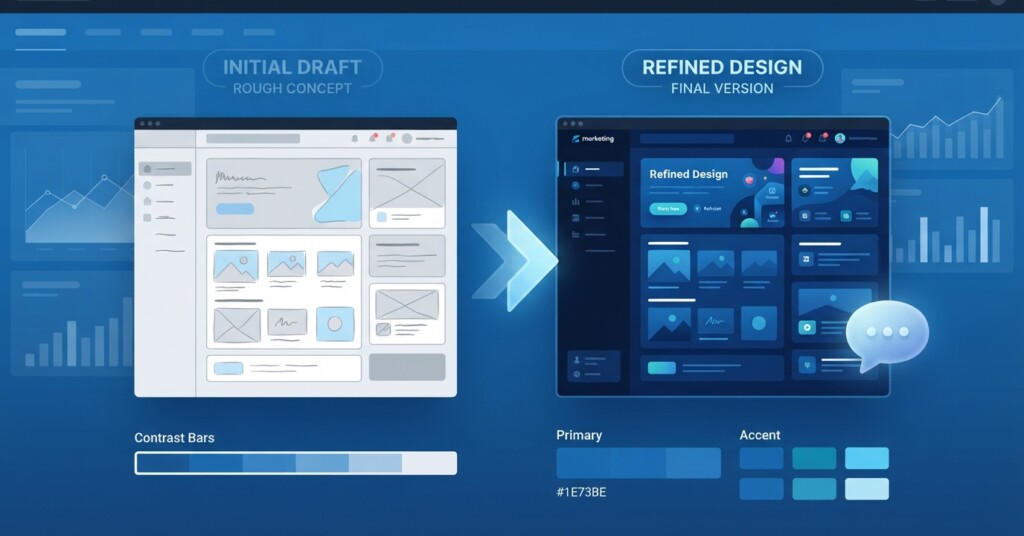
Every marketer has received a note like this: ‘Can you make it pop more?’ or ‘This just doesn’t feel right yet.’ These vague client feedback phrases are frustrating because they sound like direction but give you nothing concrete to act on. Client feedback decoded properly becomes a skill you can learn, and once you understand what clients actually mean when they use these phrases, revisions get faster, approvals get easier, and the guesswork disappears. This article breaks down the most common vague feedback phrases in digital marketing, what they usually signal, and how to translate them into specific, actionable changes.
Why Clients Give Vague Feedback in the First Place
Clients are not trying to be difficult when they say something lacks energy or does not feel on brand. In most cases, they simply do not have the vocabulary that marketers and designers use. A client knows when something feels off, but they rarely know how to describe the technical reason — spacing, color contrast, word choice, pacing, or call-to-action placement. Instead, they reach for emotional or visual shorthand like ‘pop,’ ‘clean,’ or ‘punchy’ because those words describe a feeling, not a mechanism.
There is also a power dynamic at play. Clients often feel like they should not need to explain technical details — that is supposedly your job. So the vague note is sometimes a test: can you read between the lines and deliver what they are imagining, even if they cannot articulate it? Understanding this dynamic is the first step toward decoding feedback instead of dreading it.
Treat vague feedback as a starting point for a conversation, not a final instruction. Asking one clarifying question upfront can save three rounds of revisions later.
Common Vague Phrases and What They Usually Mean
After years of client work, certain phrases show up again and again across campaigns, websites, ads, and emails. Below is a breakdown of the most frequent ones and the specific changes they typically point to.
| Vague Phrase | What It Often Means | Questions to Ask |
|---|---|---|
| Make it pop | Increase visual contrast, bolder color, bigger headline, or a stronger hook | Pop compared to what — the background, the competitor, or the rest of the page? |
| It needs more energy | Faster pacing, more active verbs, brighter tone, or a stronger call to action | Energy in the copy, the visuals, or both? |
| This doesn't feel like us | Tone, color, or imagery is off-brand compared to prior materials | Can you point to a past example that does feel like you? |
| Make it more professional | Simpler language, fewer exclamation points, more formal layout | Professional like a specific competitor or industry you admire? |
| It's missing something | Usually a weak call to action, unclear value proposition, or no emotional hook | What's the one thing you want someone to do after seeing this? |
| Too busy / too much going on | Visual hierarchy is unclear, too many competing elements | Which element should the eye go to first? |
| Can we jazz it up | Add visual interest — imagery, color, or animation — without changing substance | Jazz up the design, the headline, or both? |
Notice that nearly every phrase in this table maps to something measurable: contrast, hierarchy, pacing, word choice, or a missing call to action. The client’s job is to tell you how something feels. Your job is to translate that feeling into a design or copy decision. This is the core of client feedback decoded in practice — pairing emotional language with technical fixes.

A Framework for Translating Feedback Into Action
Rather than guessing at what a client means, use a repeatable process to turn vague notes into a clear revision plan. This works for ad creative, landing pages, email campaigns, and social content alike.
- Mirror the feedback back in your own words. Say something like, ‘When you say it needs to pop, are you thinking bolder colors, a bigger headline, or both?’ This confirms you heard them and invites specifics.
- Ask for a reference. Request an example of something the client does like — a competitor ad, a past campaign, a brand they admire. References remove ambiguity faster than any question.
- Separate the feeling from the fix. Write down the emotional word the client used, then list two or three concrete design or copy changes that could produce that feeling.
- Propose, don’t just revise. Instead of silently making changes and resending, say ‘Based on your note, I’m going to increase the headline size and switch to a higher-contrast color — let me know if that direction matches what you had in mind.’
- Show options when the direction is still unclear. If after one round of clarification the feedback is still vague, present two or three variations rather than endless back-and-forth on a single version.
This framework protects your time and the client relationship. Clients feel heard because you are actively interpreting their input, and you avoid the trap of guessing repeatedly without ever closing the loop.
Avoid making multiple unrelated changes based on one vague note. If a client says ‘make it pop’ and you simultaneously change the color, headline, layout, and image, you will not know which change actually solved the problem — and neither will they. Change one or two things at a time when the feedback is ambiguous.
Real-World Examples Across Marketing Channels
Vague feedback shows up differently depending on the channel. Here is how it typically plays out in practice, and how experienced marketers respond.
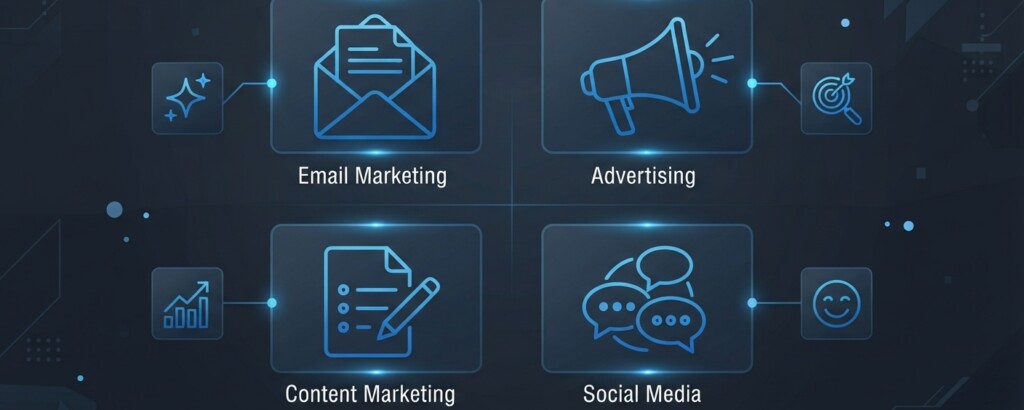
Email marketing: A client reviews a promotional email and says, ‘The subject line feels flat.’ This almost always means the subject line lacks urgency, curiosity, or specificity. Instead of guessing, test three replacement options — one using a number or deadline, one using a question, and one using a direct benefit statement. Send all three to the client and let them react to specific alternatives rather than trying to fix flat in the abstract.
Paid advertising: A client looks at an ad and says, ‘It needs to stand out more in the feed.’ This is a request about visual contrast and pattern interruption — the ad needs to look different from the organic posts surrounding it. Practical fixes include using an unexpected color, a close-up image instead of a wide shot, or bold text overlay. Pair this with a note explaining that scroll-stopping is about contrast with the platform’s visual norms, not just making the ad ‘louder.’
Content marketing: An editor says a blog post ‘doesn’t feel authoritative enough.’ This typically points to a lack of data, specific examples, or expert quotes rather than a tone problem. Adding one statistic, one named example, and a clear structure with subheadings often resolves this feedback completely, even though the original note sounded like a tone complaint.
Social media: A manager says a post ‘needs more personality.’ This usually means the caption reads like a press release instead of a conversation. Rewriting with contractions, a direct question to the audience, or a first-person voice typically solves it, since ‘personality’ is shorthand for sounding human rather than corporate.
Building a Shared Vocabulary With Clients Over Time
The best long-term fix for vague feedback is building a shared vocabulary with each client. Early in a relationship, feedback will almost always be vague because the client does not yet know how to describe what they want in your terms. As you work together, document the specific fixes that resolved past vague notes and refer back to them. For example, if ‘make it pop’ led to a larger headline and a brighter accent color last time, you can proactively suggest that same direction next time the phrase comes up, confirming it still applies.
Some agencies and marketing teams keep a simple shared glossary — a one-page document listing the client’s common phrases alongside what those phrases have meant in past projects. This turns institutional knowledge into a repeatable asset instead of something only one team member remembers. It also speeds up onboarding when new team members join an account, since they can reference the glossary instead of relearning the client’s language from scratch.
Keep a running log of vague phrases and their resolved meanings for each client. Over a few projects, this log becomes one of the most valuable documents on the account.
Key Takeaways
Client feedback decoded is ultimately about translation, not mind-reading. Vague phrases like ‘make it pop,’ ‘it needs more energy,’ or ‘this doesn’t feel like us’ almost always map to specific, nameable issues — contrast, pacing, tone, hierarchy, or a missing call to action. The fastest way to resolve ambiguous notes is to mirror the feedback back, ask for references, separate the feeling from the fix, and propose specific changes rather than guessing silently. Over time, documenting how each client’s vague phrases have resolved in the past builds a shared vocabulary that makes every future round of feedback faster and less stressful for both sides.
Want more practical marketing skills like this?
Explore more guides on communication, strategy, and execution built specifically for marketers who want clear, actionable knowledge they can use right away.