
Every marketer has that one email they wish they could unsend. Maybe it went to the wrong list, had a subject line that read as tone-deaf, or contained a broken merge tag that greeted ten thousand subscribers as ‘Hi [First Name]’. Email marketing disasters happen more often than brands like to admit, and studying them is one of the fastest ways to sharpen your own campaigns. This article walks through real patterns behind email marketing disasters — the subject line blunders, the send-time catastrophes, the personalization failures — and gives you a practical checklist to keep your own sends out of the horror stories folder.
Why Email Disasters Happen More Than You Think
Email feels low-risk compared to a paid ad campaign or a big product launch. There is no review board, no client sign-off meeting, and often just one person clicking send. That casualness is exactly why mistakes slip through. A single typo in a segment name can send a promotional blast to your entire customer base instead of the 200 people who abandoned a cart. A subject line that seemed clever in a Tuesday afternoon brainstorm can read as offensive once it lands in thousands of inboxes stripped of context.
Three structural issues tend to cause most email marketing disasters: rushed approval processes, over-reliance on automation without testing, and a disconnect between the person writing the copy and the person who understands the audience receiving it. Fix those three things and you eliminate the majority of risk before it ever reaches your subscribers.
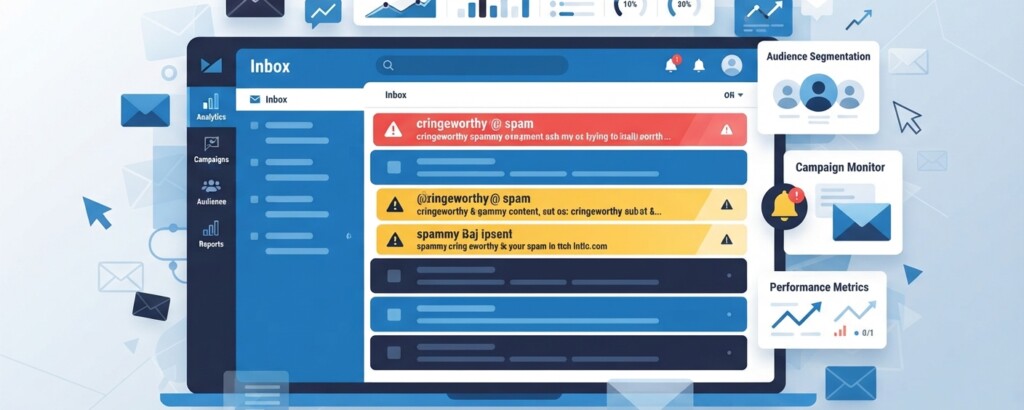
Subject Line Mistakes That Tanked Open Rates and Trust
The subject line is the first — and sometimes only — impression your email makes. Get it wrong and it does not matter how good the content inside is. Here are the recurring failure patterns worth knowing.
- Fear-based urgency that misfires: Lines like ‘Your account will be deleted in 24 hours’ sent to customers with no context caused panic and a spike in support tickets rather than clicks.
- Humor that lands as tone-deaf: After the 2017 Boston Marathon, Adidas emailed runners with the subject line ‘Congrats, you survived the Boston Marathon!’, prompting widespread backlash due to the deadly 2013 bombing and overshadowing the campaign entirely.
- Broken personalization tags: Subject lines reading ‘Hey %FIRSTNAME%, this deal is just for you’ went out unrendered, signaling to recipients that the email was mass-produced and careless.
- Misleading clickbait: Promising ‘You won’t believe what’s inside’ for a routine newsletter update trains subscribers to distrust future subject lines and hurts long-term open rates.
- Accidental internal language leaking out: Draft subject lines like ‘TEST — DO NOT SEND — v3 final final’ have gone out live, confusing recipients and embarrassing the sender.
Before every send, read your subject line out loud as if you are a stranger seeing it cold, with no knowledge of your internal campaign goals. If it needs explaining, rewrite it.
Send Mistakes: Wrong Lists, Wrong Times, Wrong Tone
Subject lines get the most attention, but the send itself is where some of the worst email marketing disasters actually originate. A perfectly written email sent to the wrong audience, at the wrong time, or with a broken link can undo months of trust-building in seconds.
A widely publicized case occurred in 2021 when HBO Max accidentally blasted an internal QA test email — subject-lined ‘Integration Test Email #1’ — to a large portion of its subscriber database. When test messages or dummy alerts mistakenly reach live production lists, they can trigger confusion, flood customer support channels, and require days of apologies and damage control.
Timing mistakes are quieter but just as damaging. A wellness brand once scheduled a cheerful ‘New Year, New You’ campaign that, due to a timezone miscalculation, went out at 3 a.m. local time to its largest market. The emails were technically fine, but open rates cratered and unsubscribe rates ticked up because subscribers associated the brand with disruptive, poorly timed noise.
Never treat your test list as disposable. Test sends have gone to full production lists more times than most marketers want to admit. Always double-check the audience field before hitting send, especially when working from a template that defaults to ‘All Subscribers’.
| Mistake Type | Example | Root Cause | Prevention |
|---|---|---|---|
| Wrong audience | Internal test sent to full list | Default segment not changed before send | Require a second person to confirm audience size before send |
| Broken personalization | ‘Hi [First Name]’ sent live | Merge tag not tested with real data | Send a test email to yourself using actual subscriber data |
| Tone-deaf timing | Promo sent during a crisis or tragedy | No review of current events before scheduled send | Pause automated campaigns during major news cycles |
| Misleading subject line | Clickbait that does not match content | Prioritizing open rate over trust | Align subject line promise directly with email content |
| Broken links | CTA button leads to 404 page | Link not tested after final edits | Click every link in the final proof before approval |
Building a Pre-Send Review Framework
Most email marketing disasters are preventable with a simple, repeatable review process. You do not need an elaborate system — you need a checklist that gets followed every single time, regardless of how small or routine the send feels. The sends that go wrong are often the ones treated as too minor to double-check.
A strong pre-send framework covers four checkpoints: audience verification, content accuracy, technical function, and context awareness. Audience verification means confirming the segment size and definition match your intent. Content accuracy covers spelling, personalization tags, and brand tone. Technical function means testing every link, image, and button in a real inbox, not just the editor preview. Context awareness means checking whether anything in the news, your industry, or your own recent communications makes this send poorly timed.
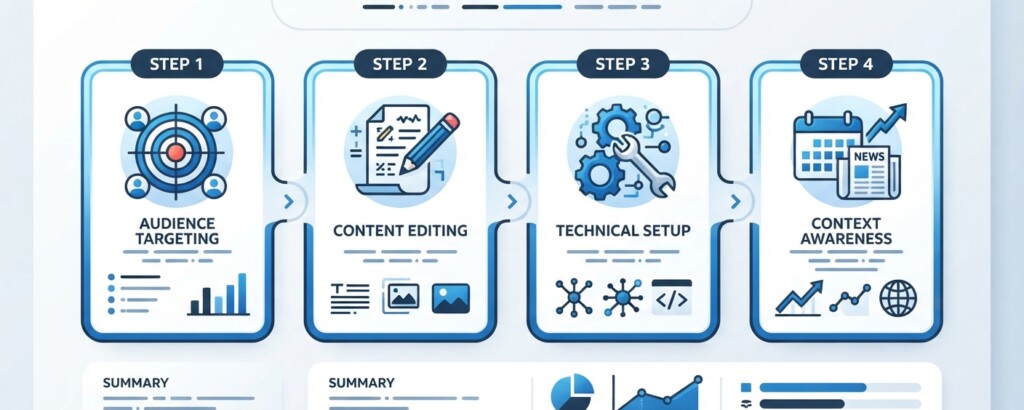
Assign ownership for each checkpoint so it does not fall through the cracks when things get busy. Even a two-person team benefits from a rule like ‘no send goes out without a second set of eyes on the subject line and the audience field.’ This single habit prevents the majority of the disasters covered in this article.
Turning Disasters Into Case Studies for Your Team
Every marketing team should keep an internal ‘lessons learned’ file of email mistakes, both their own and industry examples. This is not about dwelling on failure, it is about building institutional memory so the same mistake does not happen twice. New team members, freelancers, or interns often make the same errors that a more experienced marketer already learned the hard way years ago.
When you do make a mistake, respond quickly and honestly. A short follow-up email acknowledging the error, with a touch of humor if appropriate, often earns more goodwill than silence. Brands that owned their email marketing disasters publicly and briefly — rather than pretending nothing happened — generally saw faster recovery in subscriber trust than those that stayed quiet.
Keep a shared document logging every send mistake, however small, along with what caused it and how it was fixed. Review it quarterly with your team as a quick training refresher.
Key Takeaways
- Most email marketing disasters come from rushed processes, not lack of skill — slow down at the review stage.
- Subject lines should be read as a stranger would read them, without internal context or assumptions.
- Always verify the audience segment before sending, especially for test emails and automated campaigns.
- Test personalization tags and links using real subscriber data, not just the template preview.
- Build a simple four-point pre-send checklist covering audience, content, technical function, and current context.
- When mistakes happen, respond quickly and transparently rather than ignoring the issue.
Email marketing disasters are rarely about a lack of talent — they are almost always about a missing checkpoint in the process. The good news is that the fix is simple and repeatable: slow down before you send, verify your audience, test your links and tags, and read your subject line as a stranger would. Build that habit into your team’s workflow and you will avoid becoming the next cautionary tale in someone else’s article about email marketing disasters.
Want to build a stronger email marketing process?
Explore more practical guides on email marketing strategy, automation, and campaign planning to keep your sends sharp and mistake-free.