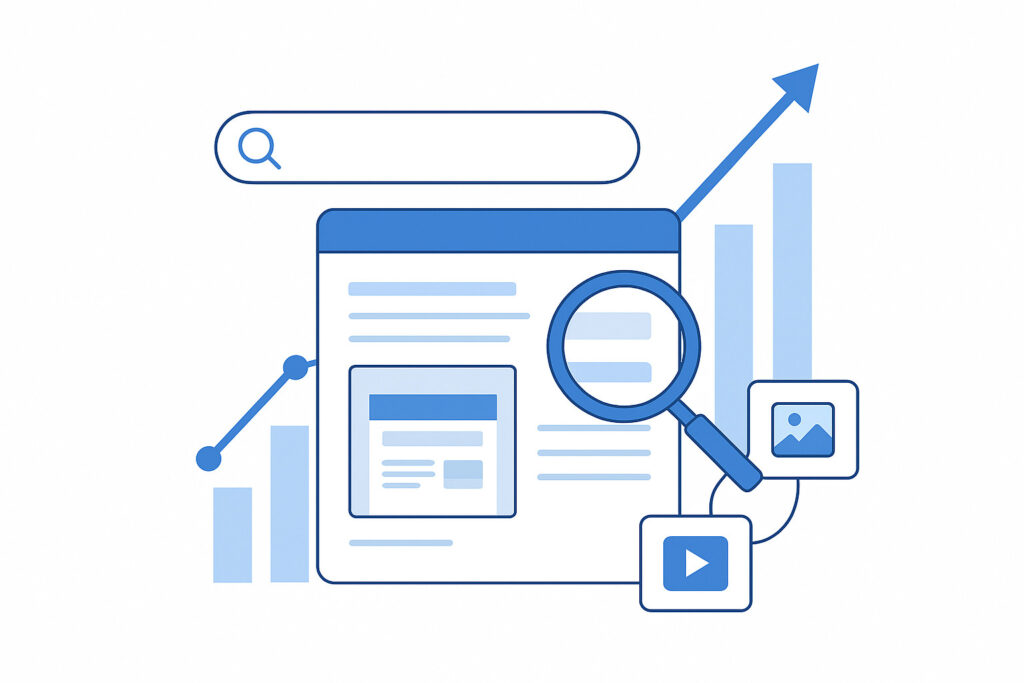
Search engines are often the first place people go when they want answers, products, or services. If your website does not appear on the first page of search results, most users will never find you.
This is where SEO, or Search Engine Optimization, becomes essential.
In this guide, you’ll learn:
- What SEO is
- How search engines work
- The main types of SEO
- Why SEO is important for businesses
- Practical examples of SEO in action
What Is SEO?
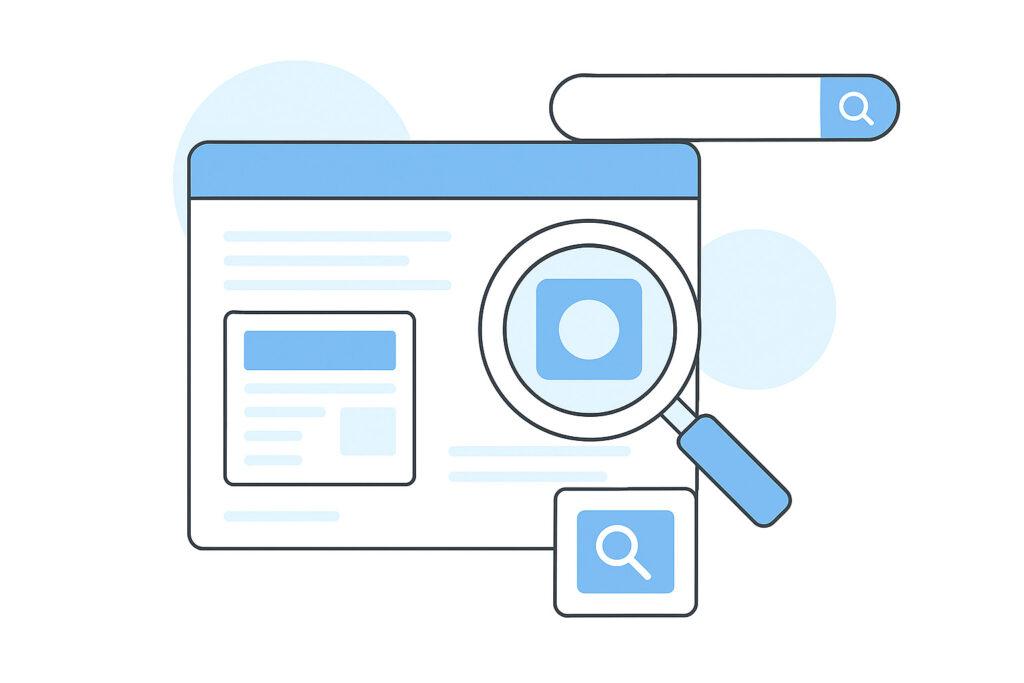
SEO (Search Engine Optimization) is the practice of improving a website so that it ranks higher in organic (non-paid) search engine results, mainly on Google.
The goal of SEO is to:
- Increase website visibility
- Attract relevant, high-quality traffic
- Improve user experience
- Drive long-term, sustainable growth
Unlike paid advertising, SEO focuses on earning traffic naturally by meeting search engine and user expectations.
How Search Engines Work (In Simple Terms)
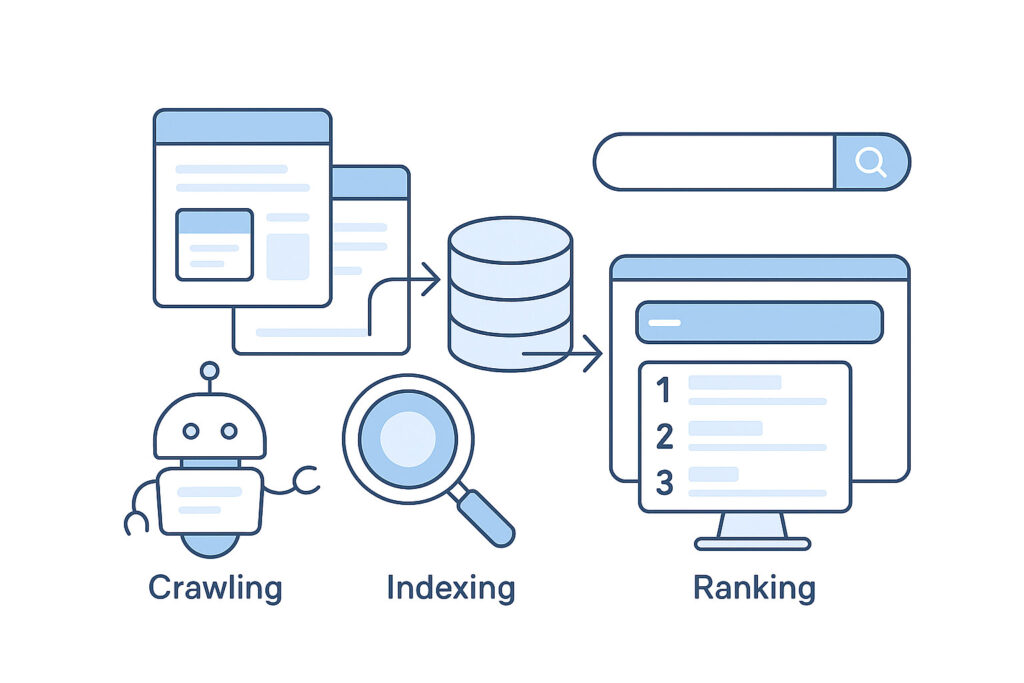
Search engines like Google follow three main steps:
1. Crawling
Search engines use automated bots to discover web pages by following links.
2. Indexing
Discovered pages are analysed and stored in a massive database called an index.
3. Ranking
When a user searches for something, the search engine ranks relevant pages based on hundreds of factors such as relevance, quality, and usability.
SEO helps your website perform better at each of these stages.
Why SEO Is Important
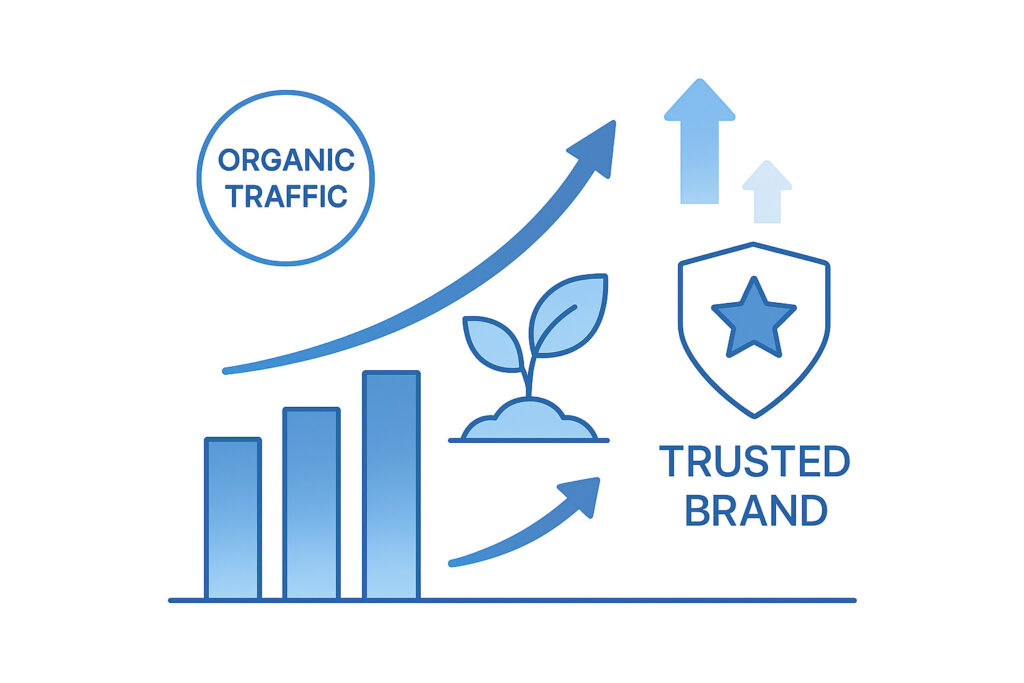
SEO is one of the most valuable digital marketing channels because:
- Most online experiences start with a search engine
- Organic search traffic is highly intent-driven
- SEO builds long-term visibility and credibility
- It delivers consistent traffic without paying per click
- It supports other channels like content and paid ads
For many businesses, SEO becomes the highest-ROI marketing activity over time.
The Main Types of SEO
SEO is not a single activity. It consists of several interconnected areas.
On-Page SEO
What It Is
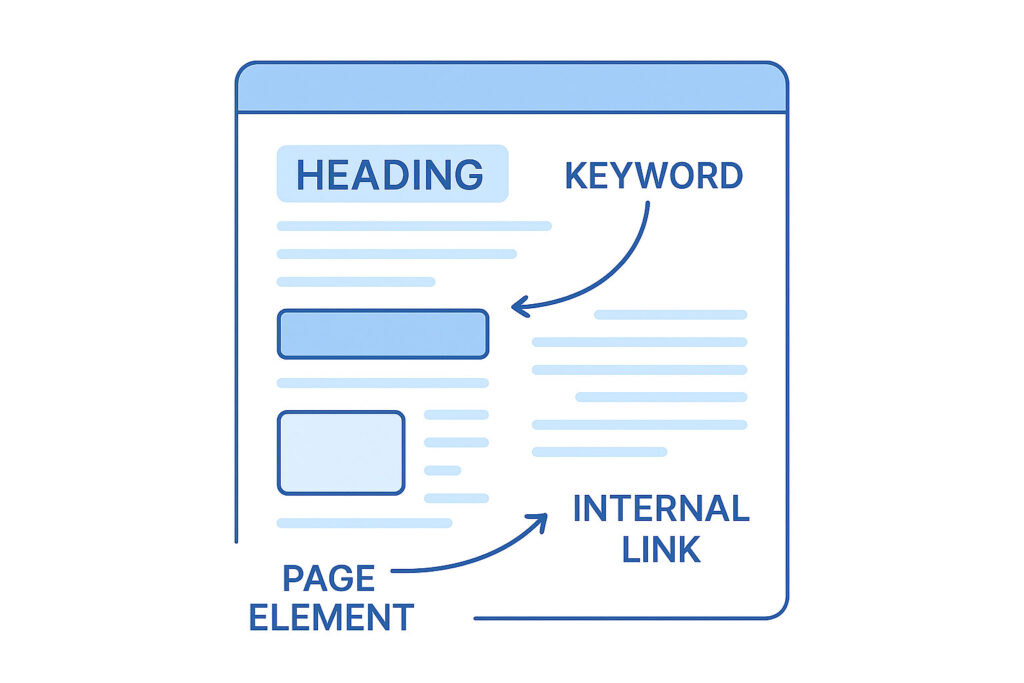
On-page SEO focuses on optimising content and HTML elements on your website.
Key Elements
- Keyword research and usage
- Page titles and meta descriptions
- Headings (H1, H2, H3)
- High-quality, relevant content
- Internal linking
- Image optimisation
Example
A blog post titled “Best Email Marketing Tools for Small Businesses” is optimised with:
- Relevant keywords
- Clear headings
- Helpful, original content
- Internal links to related articles
Technical SEO

What It Is
Technical SEO ensures that search engines can crawl, index, and understand your website properly.
Key Elements
- Website speed
- Mobile responsiveness
- Secure HTTPS connection
- Clean URL structure
- XML sitemaps
- Fixing broken links and errors
Example
Improving page load speed and mobile usability helps Google rank the site higher and improves user experience.
Off-Page SEO
What It Is
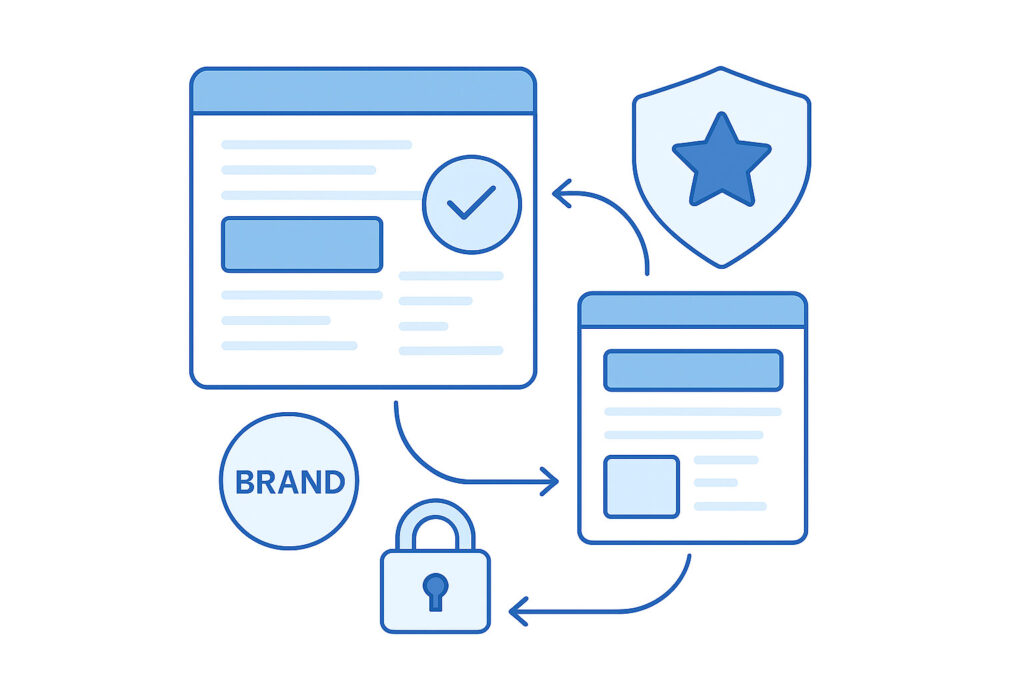
Off-page SEO focuses on building authority and trust outside your website.
Key Elements
- Backlinks from other websites
- Brand mentions
- Online reviews
- Digital PR
Example
If reputable websites link to your blog, search engines view your content as more trustworthy and authoritative.
Content SEO
What It Is
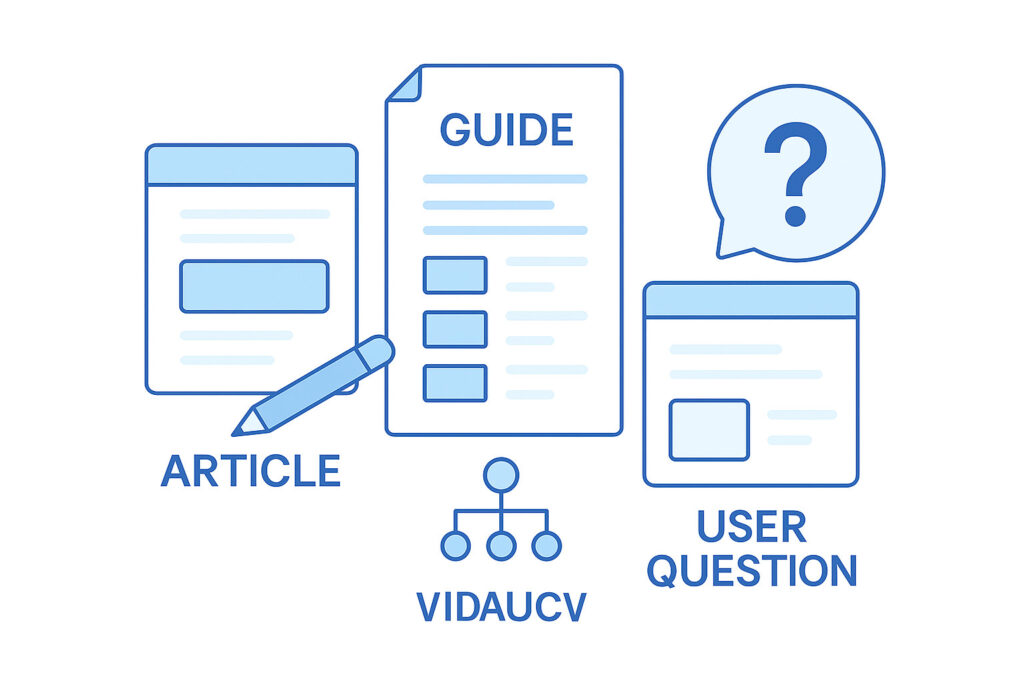
Content SEO focuses on creating content that matches user search intent and provides real value.
Key Elements
- Answering user questions clearly
- Covering topics in depth
- Using structured content
- Updating content regularly
Example
A detailed guide that explains a topic better than competitors is more likely to rank and attract backlinks.
Local SEO (If Applicable)
What It Is
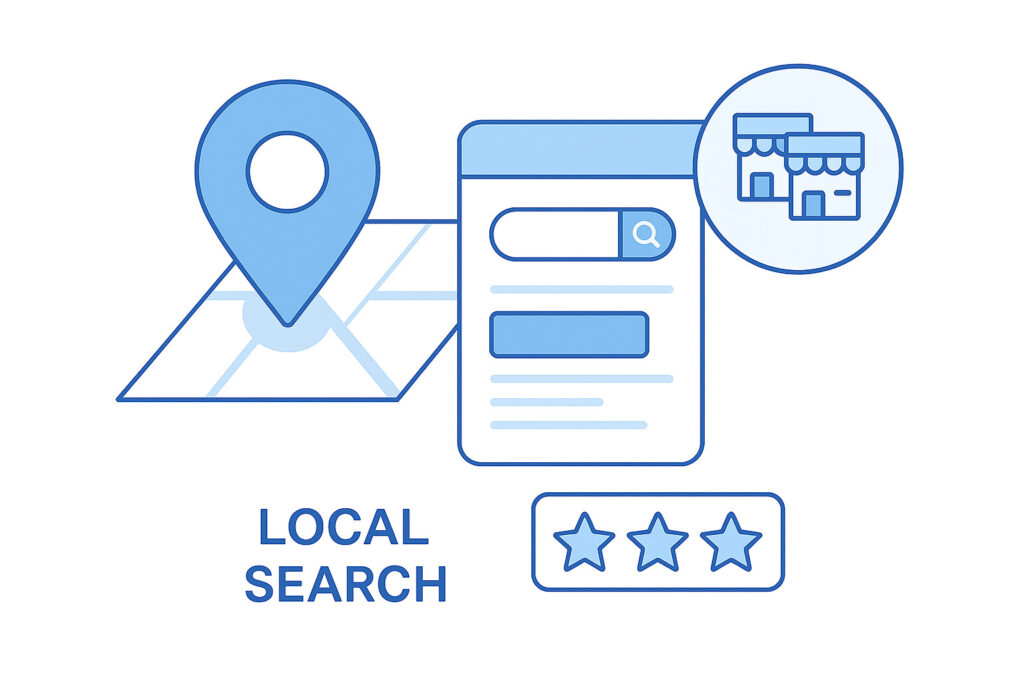
Local SEO helps businesses appear in searches with local intent, such as “near me” queries.
Key Elements
- Google Business Profile optimisation
- Local keywords
- Online reviews
- Consistent business information
Example
A café optimises for “best coffee near me” and appears in Google Maps results.
How SEO Works in Practice
Let’s say a company offers digital marketing services.
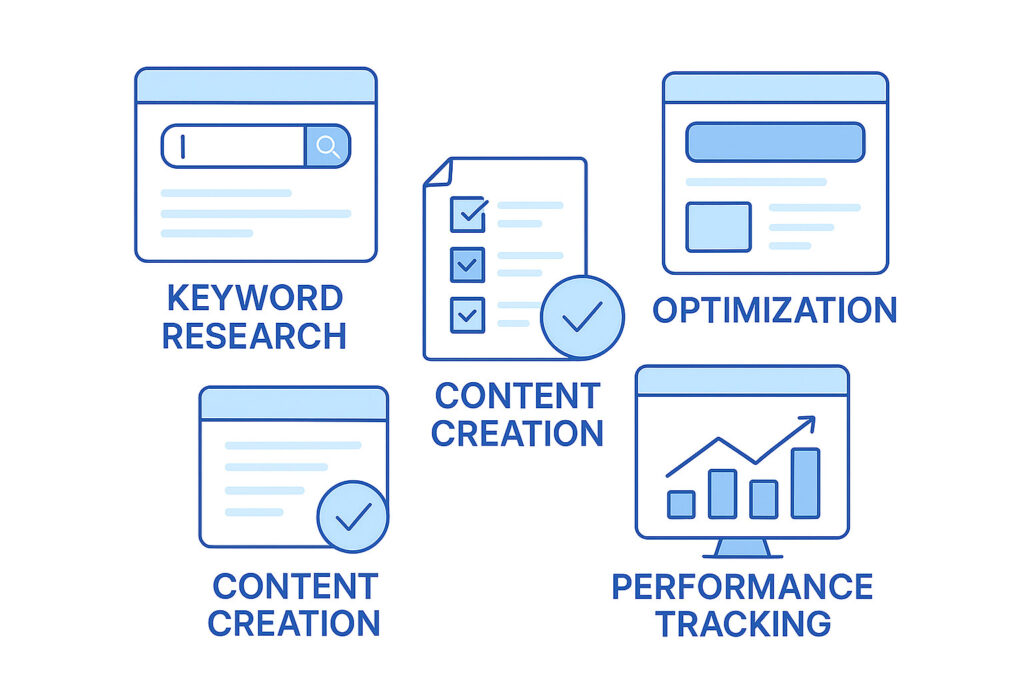
- Research keywords people search for
- Create high-quality content around those keywords
- Optimise pages technically and on-page
- Earn backlinks through useful content
- Track performance and improve over time
Over months, the website gains:
- Higher rankings
- More organic traffic
- More qualified leads
SEO vs Paid Advertising
| SEO | Paid Ads |
|---|---|
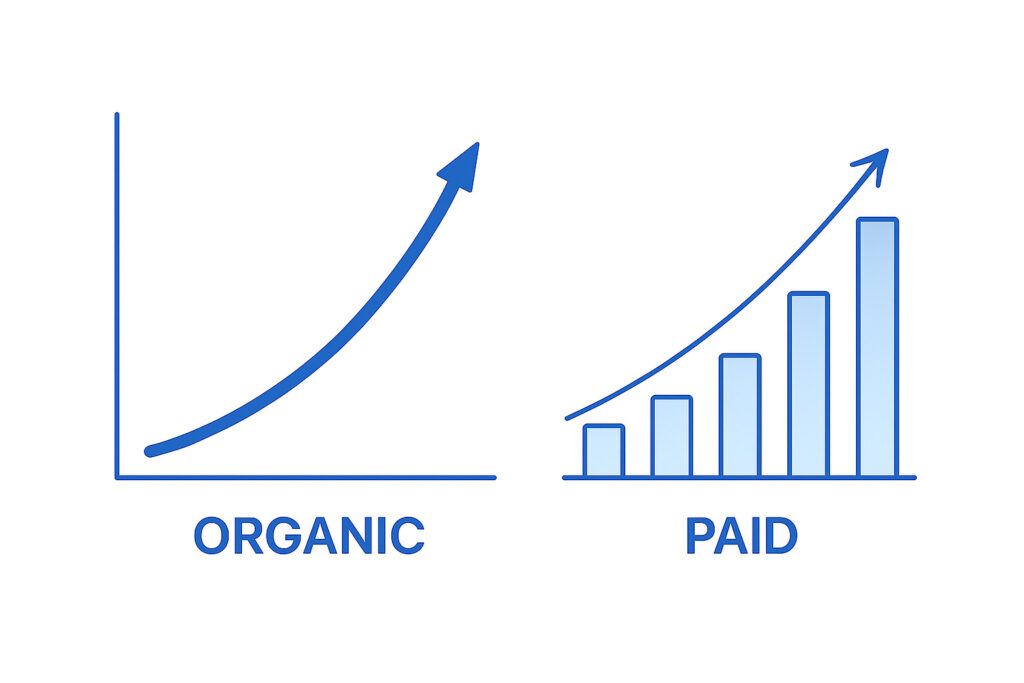
| Long-term results | Immediate results |
| No cost per click | Pay for every click |
| Builds trust and authority | Stops when budget stops |
| Slower at the start | Fast visibility |
Most successful strategies use both, with SEO as the long-term foundation.
Common SEO Myths
- SEO is a one-time task
- SEO is only about keywords
- SEO guarantees instant results
- SEO is only for large companies
In reality, SEO is an ongoing process that benefits businesses of all sizes.
Final Thoughts

SEO is not about tricking search engines. It is about creating better websites and better content for users.
When done correctly, SEO:
- Improves visibility
- Builds trust
- Drives sustainable growth
- Supports every other digital marketing channel
Whether you run a blog, an online store, or a service business, SEO is a core digital skill that pays off over time.