In the fast-paced world of digital marketing, where social media and influencer campaigns dominate the conversation, it’s easy to overlook the humble email. Yet, email marketing remains a cornerstone of effective communication strategies for businesses of all sizes. In this comprehensive guide, we’ll explore why email still matters, how to leverage it effectively, and the best practices to ensure your campaigns resonate with your audience.
The Enduring Relevance of Email Marketing
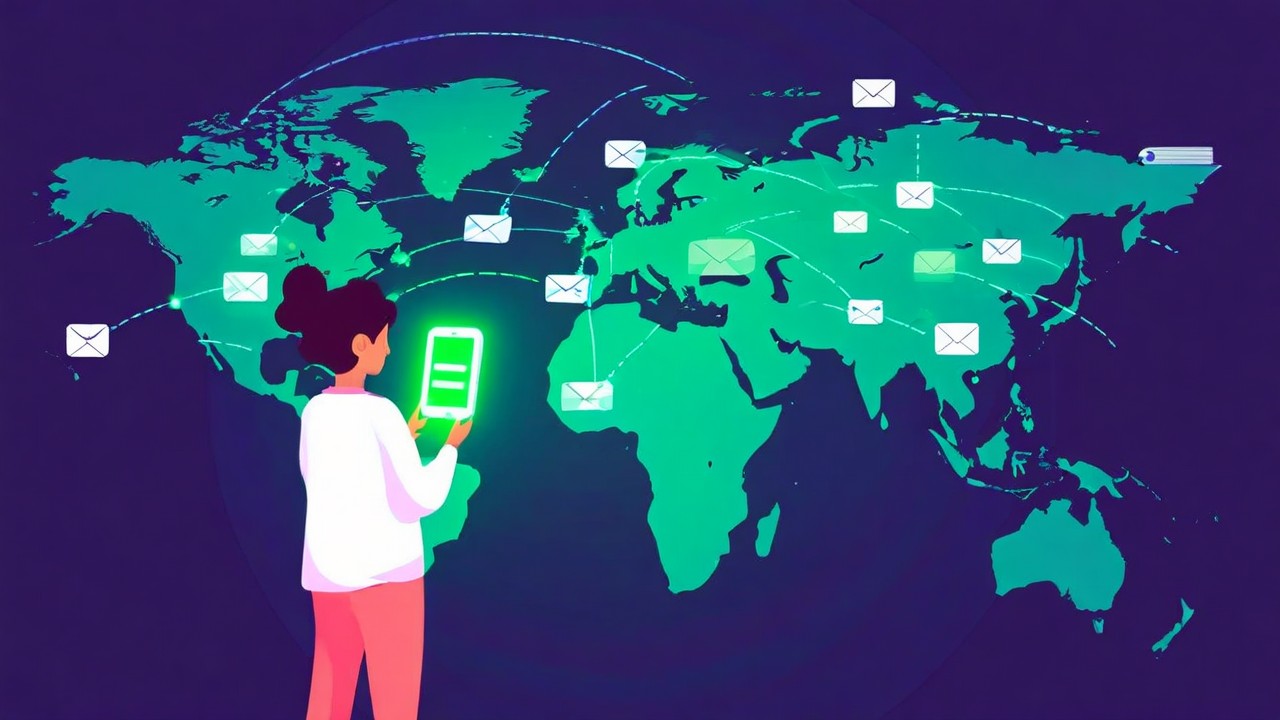
To understand why email marketing continues to be relevant, we need to look at the numbers. According to a report by Statista, there were over 4 billion email users worldwide in 2020, a number projected to grow to nearly 4.6 billion by 2025. This staggering figure underscores the pervasiveness of email as a communication tool. But beyond the sheer volume of users, email offers unique advantages that other marketing channels simply can’t match.
One of the primary reasons email marketing remains effective is its directness. Unlike social media posts that can get lost in a sea of content, an email lands directly in a recipient’s inbox, offering a more personal and immediate connection. This direct line of communication allows businesses to engage with their audience in a way that feels both intimate and professional.
Moreover, email marketing provides a high return on investment (ROI). A study by the Data & Marketing Association found that email marketing generates an average ROI of $42 for every $1 spent. This impressive figure highlights the cost-effectiveness of email campaigns compared to other marketing strategies.
Building a Strong Email Marketing Strategy
Creating an effective email marketing strategy requires more than just sending out random messages. It involves a well-thought-out plan that aligns with your overall business goals. Here are the key components of a successful email marketing strategy:
1. Define Your Goals
Before you start crafting your emails, it’s crucial to define what you want to achieve. Are you looking to increase sales, drive traffic to your website, or simply build brand awareness? Setting clear, measurable goals will help you tailor your campaigns to meet specific objectives.
For instance, if your goal is to increase sales, you might focus on promotional emails that highlight special offers or discounts. On the other hand, if your aim is to build brand awareness, you might opt for newsletters that provide valuable content and keep your audience engaged.
2. Know Your Audience
Understanding your audience is key to creating relevant and engaging email content. Take the time to segment your email list based on demographics, purchase history, and engagement levels. This allows you to send targeted messages that resonate with different segments of your audience.
For example, if you run an online clothing store, you might segment your list into categories such as “frequent buyers,” “occasional shoppers,” and “new subscribers.” By tailoring your messages to each segment, you can increase the likelihood of engagement and conversion.
3. Craft Compelling Content
The content of your email is what will ultimately capture your audience’s attention and drive action. Whether you’re sending a promotional offer, a newsletter, or a follow-up message, your content should be clear, concise, and compelling.
Use a mix of text, images, and calls to action (CTAs) to make your emails visually appealing and easy to read. Personalization can also go a long way in making your emails more engaging. Addressing recipients by their name and tailoring content to their interests can significantly boost open and click-through rates.
4. Optimize for Mobile
With the majority of emails being opened on mobile devices, it’s essential to ensure that your emails are mobile-friendly. This means using a responsive design that adapts to different screen sizes and ensuring that all elements, from images to CTAs, are easily clickable on smaller screens.
Test your emails on various devices to ensure they look great and function well across the board. A poorly optimized email can lead to frustration and a higher likelihood of being deleted without being read.
5. Analyze and Iterate
Finally, the key to a successful email marketing strategy is continuous analysis and iteration. Use analytics tools to track the performance of your campaigns. Pay attention to metrics such as open rates, click-through rates, and conversion rates to gauge what’s working and what’s not.
Based on your findings, make adjustments to your strategy. This might involve tweaking your subject lines, changing the timing of your sends, or experimenting with different types of content. The goal is to constantly refine your approach to achieve better results over time.
Best Practices for Email Marketing
To maximize the effectiveness of your email campaigns, it’s important to follow some best practices. These guidelines will help you create emails that not only reach your audience but also engage and convert them.
1. Write Engaging Subject Lines
Your subject line is the first thing recipients see, so it’s crucial to make it count. A compelling subject line can significantly impact your open rates. Aim for clarity, brevity, and a sense of urgency or curiosity.
Avoid spammy language and clickbait tactics. Instead, focus on providing value. For example, a subject line like “Exclusive Offer: 20% Off Your Next Purchase” is clear, enticing, and provides immediate value.
2. Personalize Your Emails
Personalization goes beyond just using the recipient’s name. Tailor your content to their preferences, past purchases, and browsing behavior. This level of customization can make your emails feel more relevant and increase engagement.
For instance, if a customer has previously purchased running shoes from your store, you might send them an email about a new line of running gear. This targeted approach shows that you understand their interests and are providing content that is specifically tailored to them.
3. Use a Clean and Professional Design
The design of your email should be clean, professional, and aligned with your brand identity. Use consistent colors, fonts, and imagery to create a cohesive look and feel. Avoid clutter and ensure that your CTAs stand out.
A well-designed email not only looks good but also enhances the user experience. It makes it easier for recipients to read your content and take the desired action, whether that’s making a purchase, signing up for a newsletter, or clicking on a link.
4. Include Clear Calls to Action
Every email should have a clear and compelling call to action. Whether you want recipients to make a purchase, sign up for an event, or download a resource, your CTA should be prominent and easy to follow.
Use action-oriented language and make sure your CTA buttons are visually distinct. For example, instead of a generic “Learn More” button, use “Download Your Free Ebook” or “Shop the Sale Now.” This specificity helps guide recipients toward the desired action.
5. Test and Optimize
A/B testing is a powerful tool in email marketing. By sending out different versions of your email to small segments of your list, you can determine which elements perform best. Test variables such as subject lines, email copy, images, and CTAs to see what resonates most with your audience.
Once you’ve identified the winning elements, apply them to your broader campaigns. This iterative process of testing and optimization will help you continually improve your email marketing efforts and achieve better results over time.
Common Mistakes to Avoid

Even experienced marketers can fall into common pitfalls that reduce the effectiveness of email marketing. Avoid these mistakes to ensure your campaigns achieve their full potential:
- Ignoring Segmentation: Sending the same message to your entire list can lower engagement. Segment your audience based on behavior, demographics, and preferences for more relevant communication.
- Neglecting Mobile Optimization: A large portion of emails are opened on mobile devices. Emails that don’t display correctly on smartphones risk being deleted immediately.
- Overloading with Content: Overly long emails or excessive information can overwhelm readers. Keep content concise, clear, and focused on one key message.
- Inconsistent Sending Schedule: Infrequent or erratic email sends can make your audience forget about your brand. Maintain a consistent schedule to build trust and familiarity.
- Ignoring Analytics: Failing to track open rates, click-through rates, and conversions means missing opportunities to optimize campaigns. Use data to continually improve performance.
- Weak Subject Lines: Subject lines are the first impression. Generic or unengaging subject lines reduce open rates, so craft compelling and relevant ones.
By avoiding these mistakes, marketers can enhance engagement, drive conversions, and maintain a strong connection with their audience.
Conclusion
Email marketing remains a vital tool in the digital marketer’s toolkit, offering unmatched reach, personalization, and ROI when executed effectively. By understanding its enduring relevance, building a well-planned strategy, following best practices, and avoiding common pitfalls, businesses can engage audiences meaningfully and drive measurable results. In an era of ever-evolving digital channels, mastering email marketing ensures that your brand stays connected, visible, and impactful in the inbox of your customers.