
Imagine this: You’re scrolling through your inbox, and amidst the clutter of promotional emails, one stands out. It’s personalized, engaging, and offers something you can’t resist. Welcome to the world of email marketing, a powerful tool in the digital marketer’s arsenal. Whether you’re a budding entrepreneur, a seasoned professional, or someone looking to enhance their digital marketing skills, understanding the foundations of email marketing is crucial. Let’s dive into the essentials of email marketing and explore how you can leverage it to grow your business.
The Importance of Email Marketing

Email marketing remains one of the most effective digital marketing strategies, boasting an impressive ROI of $36 for every $1 spent, according to the Data & Marketing Association. But why is email marketing so powerful? The answer lies in its direct and personal nature. Unlike social media posts that can get lost in the shuffle, emails land directly in your subscribers’ inboxes, ensuring higher visibility and engagement.
Moreover, email marketing allows for precise targeting and segmentation. You can tailor your messages to specific audience segments based on their behaviors, preferences, and past interactions with your brand. This level of personalization not only enhances the customer experience but also drives higher conversion rates.
Building Your Email List
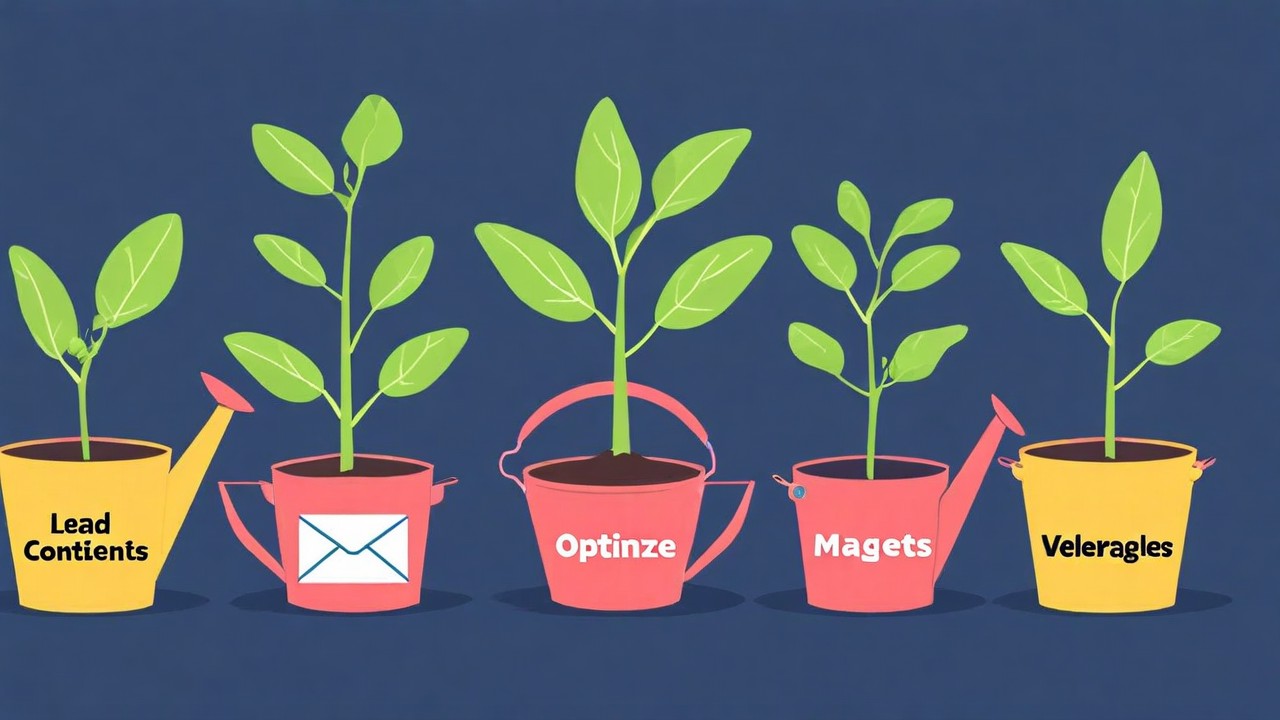
The foundation of any successful email marketing campaign is a robust email list. Building this list requires a strategic approach. Here are some effective methods to grow your email list:
1. Create Valuable Content
Offering valuable content such as ebooks, whitepapers, or exclusive discounts in exchange for email sign-ups is a tried-and-true method. For instance, a fitness brand might offer a free workout plan in exchange for an email address. This not only provides value to the subscriber but also helps you gather leads interested in your niche.
2. Use Lead Magnets
Lead magnets are incentives that encourage visitors to subscribe to your email list. These can be anything from free trials, checklists, or webinars. A software company, for example, might offer a free trial of their product to capture email addresses. The key is to ensure the lead magnet is relevant and valuable to your target audience.
3. Optimize Your Website
Your website is a goldmine for capturing email subscribers. Use pop-ups, slide-ins, and exit-intent forms to prompt visitors to subscribe. However, it’s crucial to strike a balance. Overusing pop-ups can be intrusive and may drive visitors away. Test different strategies to find what works best for your audience.
4. Leverage Social Media
Promote your email newsletter on your social media channels. Share snippets of your email content, teasers for upcoming newsletters, and exclusive offers available only to subscribers. This not only drives sign-ups but also engages your social media followers.
Segmenting Your Email List

Once you’ve built a substantial email list, the next step is segmentation. Segmenting your list allows you to send targeted, relevant content to different groups within your audience. Here’s how you can segment your email list effectively:
1. Demographic Segmentation
Segment your list based on demographic information such as age, gender, location, and occupation. This allows you to tailor your content to the specific needs and preferences of each group. For example, a travel agency might send different promotions to families versus solo travelers.
2. Behavioral Segmentation
Behavioral segmentation involves dividing your list based on user behavior, such as past purchases, website activity, and email engagement. This enables you to send highly personalized content. For instance, an online retailer might send a follow-up email to customers who abandoned their shopping carts, offering a discount to complete their purchase.
3. Psychographic Segmentation
Psychographic segmentation delves into the psychological attributes of your audience, such as interests, values, and lifestyle. This type of segmentation allows for even more personalized messaging. A fitness brand, for example, might segment their list based on fitness goals, sending different content to those aiming to lose weight versus those looking to build muscle.
Crafting Compelling Email Content

The content of your email is what will ultimately engage your subscribers and drive action. Here are some tips for crafting compelling email content:
1. Write a Captivating Subject Line
Your subject line is the first thing subscribers see, so it needs to grab their attention. Use action words, create a sense of urgency, or ask a question to pique curiosity. A/B test different subject lines to see what resonates best with your audience.
2. Personalize Your Emails
Personalization goes beyond addressing subscribers by their first name. Use dynamic content to tailor the email based on the recipient’s behavior and preferences. For example, an ecommerce store might show different product recommendations based on the subscriber’s past purchases.
3. Provide Value
Ensure your email provides value to the subscriber. Whether it’s informative content, exclusive offers, or entertaining stories, the key is to make your emails something subscribers look forward to. A blog might send a weekly roundup of their best articles, while a restaurant could share mouth-watering recipes and special promotions.
4. Use Visuals
Incorporate visuals such as images, GIFs, and videos to make your emails more engaging. Visual content not only captures attention but also conveys information more effectively. For instance, a fashion brand might include high-quality images of their latest collection to showcase new arrivals.
5. Include a Clear Call to Action (CTA)
Every email should have a clear and compelling CTA. Whether it’s to make a purchase, download a resource, or sign up for an event, your CTA should be prominent and easy to follow. Use action-oriented language and make the CTA button stand out with a contrasting color.
Designing Effective Email Campaigns
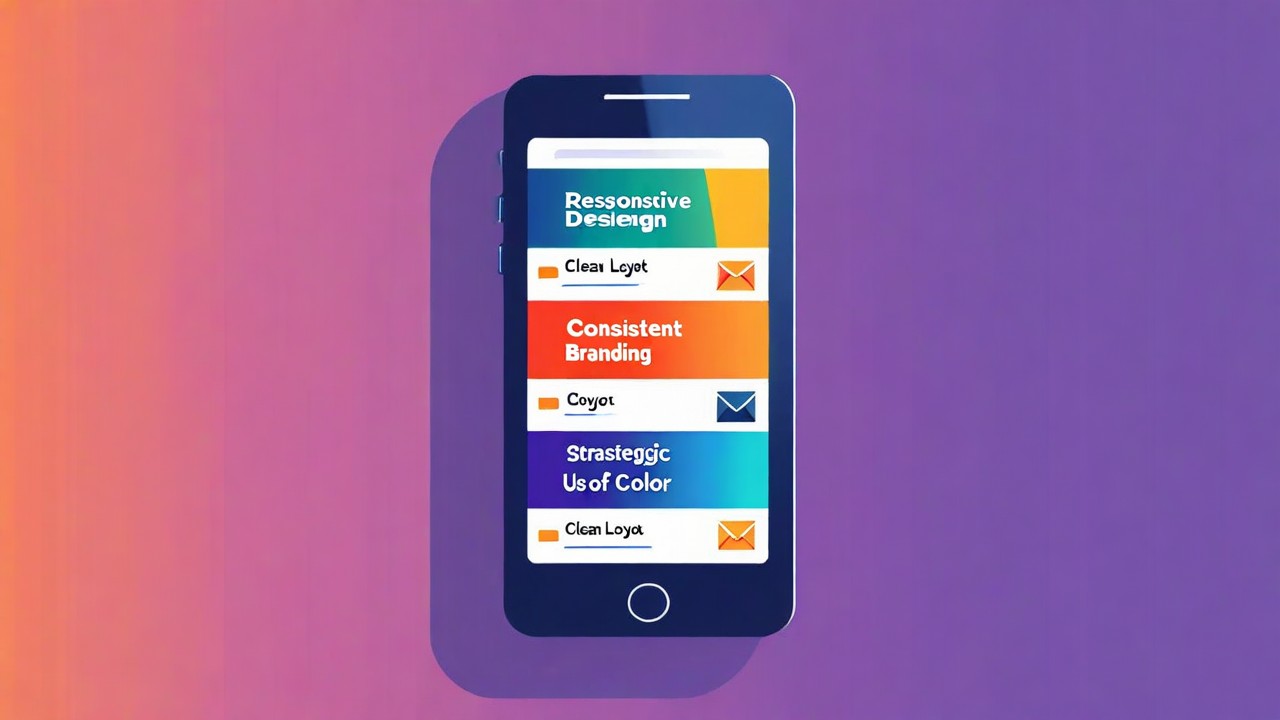
Design plays a crucial role in the success of your email campaigns. A well-designed email not only looks professional but also enhances the user experience. Here are some design tips to keep in mind:
1. Responsive Design
Ensure your emails are mobile-friendly. With a significant portion of emails being opened on mobile devices, it’s essential that your emails look great on any screen size. Use responsive design techniques to create emails that adapt to different devices.
2. Consistent Branding
Maintain consistent branding across your emails. Use your brand’s colors, fonts, and logo to create a cohesive look and feel. This not only reinforces brand recognition but also builds trust with your subscribers.
3. Clean Layout
Avoid clutter in your email design. Use a clean and simple layout with plenty of white space to make your content easy to read. Organize your content into sections with clear headings and subheadings to guide the reader through the email.
4. Strategic Use of Color
Color can evoke emotions and influence behavior. Use color strategically to highlight important information and draw attention to your CTA. For example, using a bright color for your CTA button can make it stand out and encourage clicks.
Automating Your Email Marketing

Automation allows marketers to deliver the right message to the right audience at the right time without manual intervention. By using email marketing automation tools, businesses can streamline campaigns, improve engagement, and save time. Key aspects include:
- Welcome Emails: Automatically send a personalized welcome message when someone subscribes to your list, setting the tone for future communications.
- Drip Campaigns: Nurture leads through a sequence of emails triggered by user actions or time intervals, guiding them along the customer journey.
- Behavioral Triggers: Send targeted emails based on user behavior, such as abandoned cart reminders, product recommendations, or re-engagement campaigns.
- Segmentation and Personalization: Combine automation with audience segmentation to ensure messages are relevant and tailored, increasing open and click-through rates.
- Performance Tracking: Monitor metrics such as open rates, click-through rates, and conversions to optimize automated workflows continuously.
By leveraging automation, marketers can deliver timely, relevant, and consistent messaging, enhancing customer engagement and driving conversions at scale.
Conclusion
Email marketing remains one of the most powerful tools in a digital marketer’s toolkit. By building and segmenting your email list, crafting compelling content, designing effective campaigns, and implementing automation, businesses can create personalized, scalable, and measurable communication strategies. Mastering these fundamentals not only drives engagement and conversions but also strengthens relationships with customers, ensuring long-term success in an increasingly competitive digital landscape.


