

On-page SEO is one of the few areas of search engine optimization that you can fully control. When done correctly, it helps search engines understand your content, improves user experience, and significantly increases your chances of ranking higher.
This ultimate checklist covers every essential on-page SEO factor, from keyword usage to technical elements, ensuring nothing is missed.
What Is On-Page SEO?
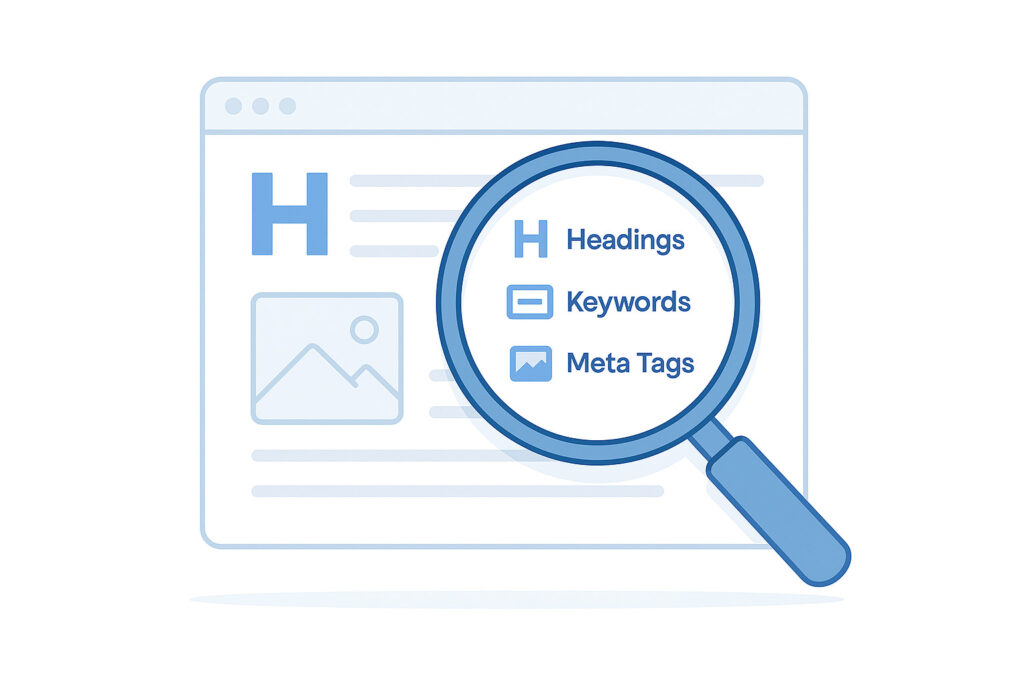
On-page SEO refers to optimizing individual pages on your website so they rank higher and attract relevant organic traffic. It focuses on content quality, structure, and technical signals that search engines evaluate directly on your page.
Think of on-page SEO as making your content clear, accessible, and valuable for both users and search engines.
How to Use This Checklist

You can use this checklist to:
- Optimize new content before publishing
- Audit existing pages
- Improve underperforming blog posts
- Create a repeatable SEO workflow
Go through each section and confirm every item is checked before publishing.
1. Keyword Research Checklist
☐ Primary keyword selected for the page
☐ Search intent clearly identified (informational, commercial, transactional)
☐ Secondary and related keywords identified
☐ Keyword difficulty suitable for your website authority
☐ One main topic per page (no keyword cannibalization)
2. Title Tag Checklist
☐ Primary keyword included in the title
☐ Title length under 60 characters
☐ Clear, descriptive, and compelling wording
☐ Unique title for every page
☐ No keyword stuffing
Best Practice: Place the main keyword near the beginning of the title when possible.
3. Meta Description Checklist
☐ Meta description written for the page
☐ Length under 160 characters
☐ Includes primary keyword naturally
☐ Encourages clicks with clear value
☐ Unique across the website
4. URL Structure Checklist
☐ Short and readable URL
☐ Primary keyword included
☐ Hyphens used instead of underscores
☐ No unnecessary numbers or parameters
☐ Lowercase letters only
Example:/on-page-seo-checklist ✅
5. Headings and Content Structure Checklist
☐ One clear H1 tag with primary keyword
☐ Logical use of H2 and H3 subheadings
☐ Keywords included naturally in headings
☐ Short paragraphs for readability
☐ Bullet points and lists used where appropriate
6. Content Quality Checklist
☐ Content fully answers the search intent
☐ Original and not copied
☐ Clear, simple language used
☐ Actionable and practical information provided
☐ Content length appropriate for the topic
☐ Content updated and accurate
Search engines reward content that helps users, not content written for algorithms.
7. Internal Linking Checklist
☐ Links to relevant pages on your site
☐ Anchor text is descriptive and natural
☐ No broken internal links
☐ Important pages receive more internal links
☐ Links add value to the reader
8. External Linking Checklist
☐ Links to credible and relevant sources
☐ External links open in a new tab (optional UX choice)
☐ No spammy or low-quality sites linked
☐ Links support claims or data
9. Image Optimization Checklist
☐ Images compressed for fast loading
☐ Descriptive file names used
☐ Alt text added to all images
☐ Alt text describes the image clearly
☐ Keywords used naturally in alt text where relevant
10. Mobile-Friendliness Checklist
☐ Page displays correctly on mobile devices
☐ Text is readable without zooming
☐ Buttons and links are easy to tap
☐ No horizontal scrolling
☐ Responsive design tested
Google uses mobile-first indexing, making this step critical.
11. Page Speed Checklist
☐ Page loads in under 3 seconds
☐ Images optimized and lazy-loaded
☐ Unnecessary scripts removed
☐ Browser caching enabled
☐ Hosting performance adequate
12. User Experience (UX) Checklist
☐ Page layout is clean and uncluttered
☐ Navigation is clear and intuitive
☐ Content is easy to scan
☐ No intrusive pop-ups blocking content
☐ Clear calls to action present
SEO and UX now go hand in hand.
13. Schema and Structured Data Checklist (Optional)
☐ Appropriate schema markup added (if applicable)
☐ FAQs, reviews, or articles marked up correctly
☐ Structured data tested and valid
Structured data can enhance search appearance, but it must be accurate.
14. Engagement and Conversion Checklist
☐ Clear next step for users
☐ Internal CTAs included
☐ Comments or interaction encouraged (if relevant)
☐ Social sharing options available
15. Final Pre-Publish SEO Checklist
☐ Page indexed and crawlable
☐ No duplicate content issues
☐ Canonical tag set correctly (if needed)
☐ Page tested in Google Search Console
☐ Final read-through completed
Common On-Page SEO Mistakes to Avoid
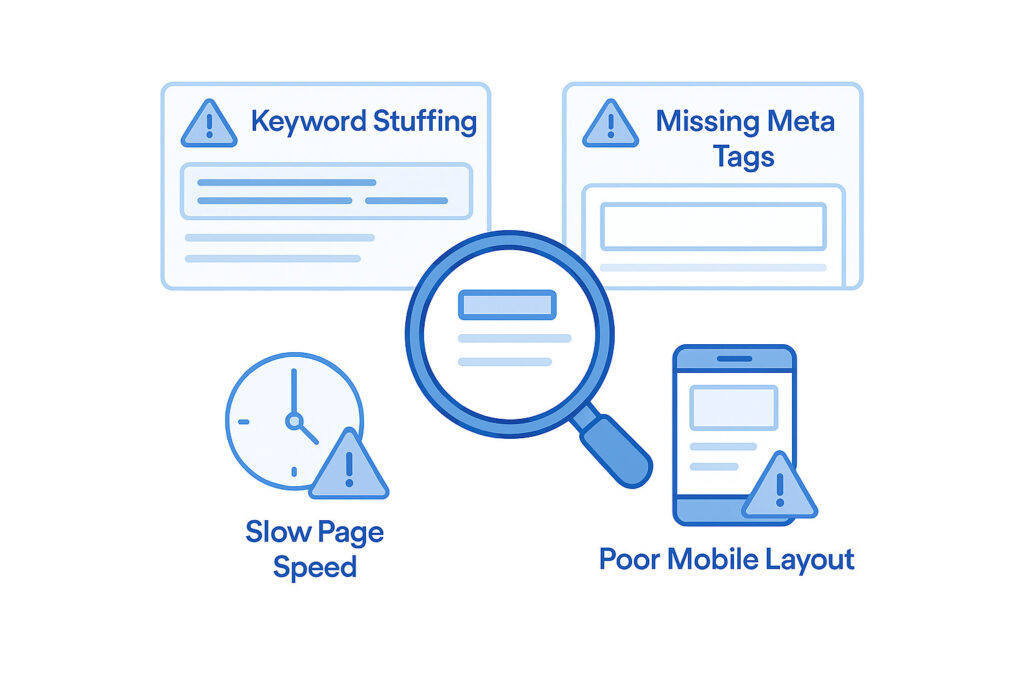
- Keyword stuffing
- Writing content without intent alignment
- Ignoring mobile users
- Slow-loading pages
- Missing meta tags
- Poor internal linking
- Publishing thin or low-value content
Final Thoughts

Perfect on-page SEO is not about shortcuts or tricks. It’s about clarity, relevance, and usefulness.
By following this ultimate checklist, you ensure that:
- Search engines understand your content
- Users have a great experience
- Your pages are built for long-term rankings
Use this checklist consistently, and on-page SEO will become a repeatable, reliable process instead of a guessing game.
Leave a Reply