
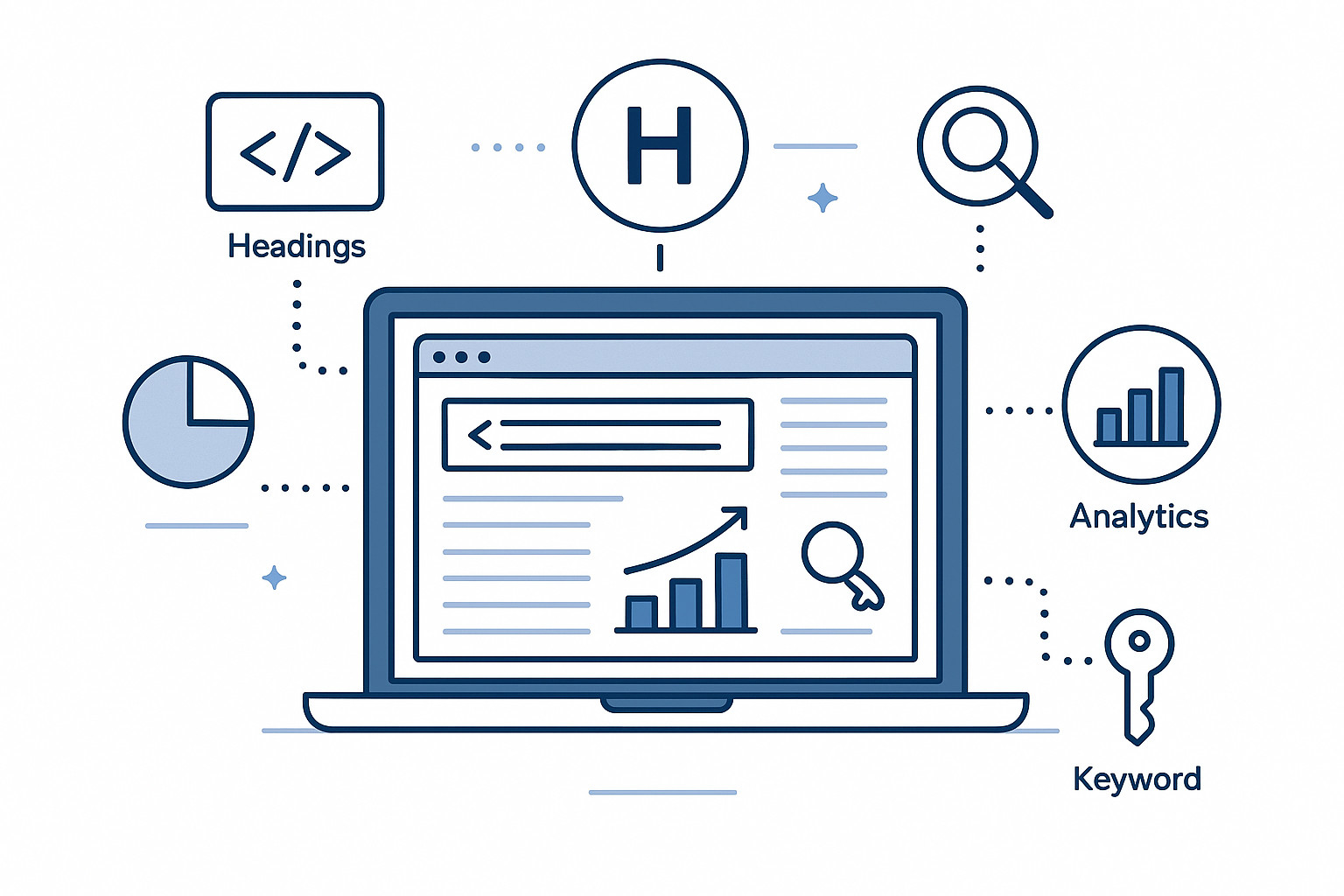
If you want your website to rank higher in search engines, on-page SEO is one of the most important steps. While off-page SEO like backlinks matters, on-page SEO ensures your content is structured, clear, and relevant for both users and search engines.
This guide will show you:
- What on-page SEO is
- Why it matters
- Key on-page SEO factors
- Step-by-step strategies to optimize your content
- Practical examples for immediate implementation
What Is On-Page SEO?
On-page SEO refers to the practice of optimizing individual web pages to rank higher and earn more relevant traffic. It involves improving both the content and HTML source code of a page.
Key focus areas include:
- Keywords
- Content structure
- Meta tags and headings
- Internal links
- Images and multimedia
- User experience (UX)
Unlike off-page SEO, which relies on external signals like backlinks, on-page SEO gives you full control over the factors you can optimize.
Why On-Page SEO Matters

On-page SEO is critical because it helps search engines understand:
- What your page is about
- How relevant it is for a search query
- How user-friendly it is
Benefits include:
- Better rankings in search results
- Increased organic traffic
- Higher click-through and engagement rates
- Improved user experience
- Higher conversion potential
Even the best backlinks won’t help if your page content is poorly optimized.
Key On-Page SEO Factors
1. Keyword Optimization
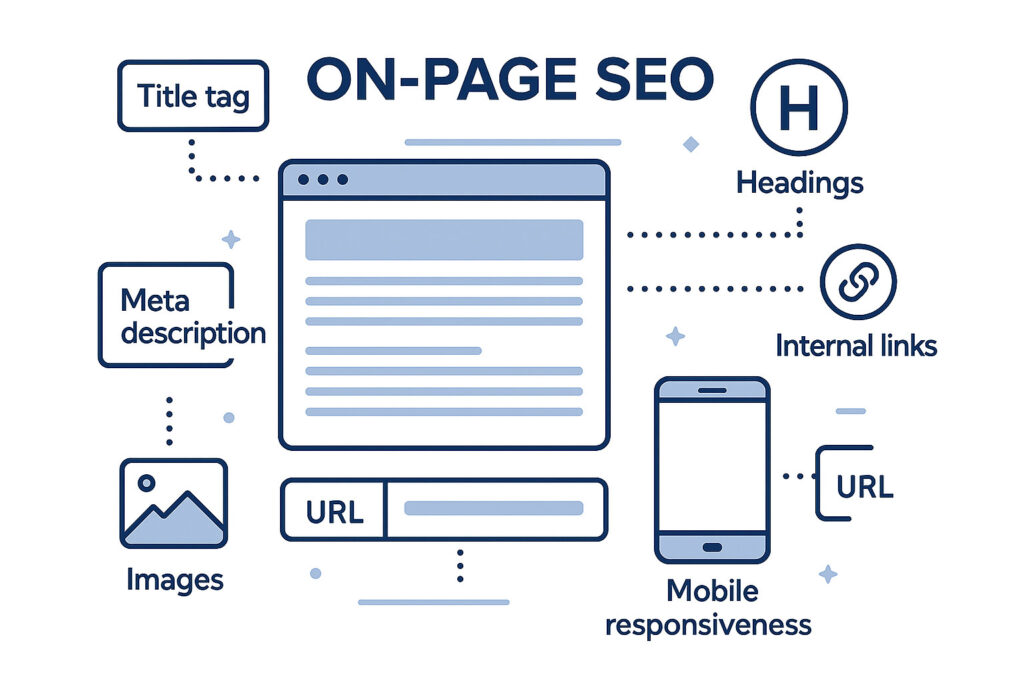
- Include the target keyword in title tags, headings, and content.
- Use related keywords and synonyms naturally.
- Avoid keyword stuffing.
Example:
Target keyword: On-page SEO guide
- Page title: On-Page SEO Guide: How to Optimize Your Content
- Headings: H1 “On-Page SEO Guide,” H2 “Keyword Optimization Tips”
2. Title Tag
- The title tag tells search engines and users what your page is about.
- Keep it under 60 characters.
- Include the primary keyword early.
3. Meta Description
- Summarizes your page in search results.
- Keep it under 160 characters.
- Include your main keyword naturally.
- Write a click-worthy description.
Example:
Learn how to optimize your content for search engines with our step-by-step On-Page SEO guide. Boost rankings and traffic effectively.
4. URL Structure
- Keep URLs short, descriptive, and keyword-rich.
- Use hyphens instead of underscores.
- Avoid unnecessary numbers or parameters.
Example:www.example.com/on-page-seo-guide ✅www.example.com/article?id=123 ❌
5. Headings and Content Structure
- Use headings (H1-H6) to organize content.
- Include keywords naturally in headings.
- Break content into short paragraphs and lists for readability.
6. Internal Linking
- Link to other relevant pages on your website.
- Helps search engines understand your site structure.
- Keeps users engaged longer.
Example:
A blog on keyword research links internally to your on-page SEO guide.
7. Image Optimization
- Use descriptive file names and alt text.
- Compress images for faster loading.
- Include keywords in alt text if relevant.
Example:on-page-seo-checklist.png with alt text: Checklist for optimizing on-page SEO factors
8. Mobile-Friendliness
- Google prioritizes mobile-friendly websites.
- Ensure your page is responsive and easy to navigate on smartphones and tablets.
9. Page Speed
- Fast-loading pages improve user experience and rankings.
- Optimize images, use caching, and minimize scripts.
10. User Engagement Signals
- Encourage comments, shares, and interactions.
- Improve dwell time with useful, structured content.
- Include tables, bullet points, videos, and infographics.
Step-by-Step On-Page SEO Optimization Process
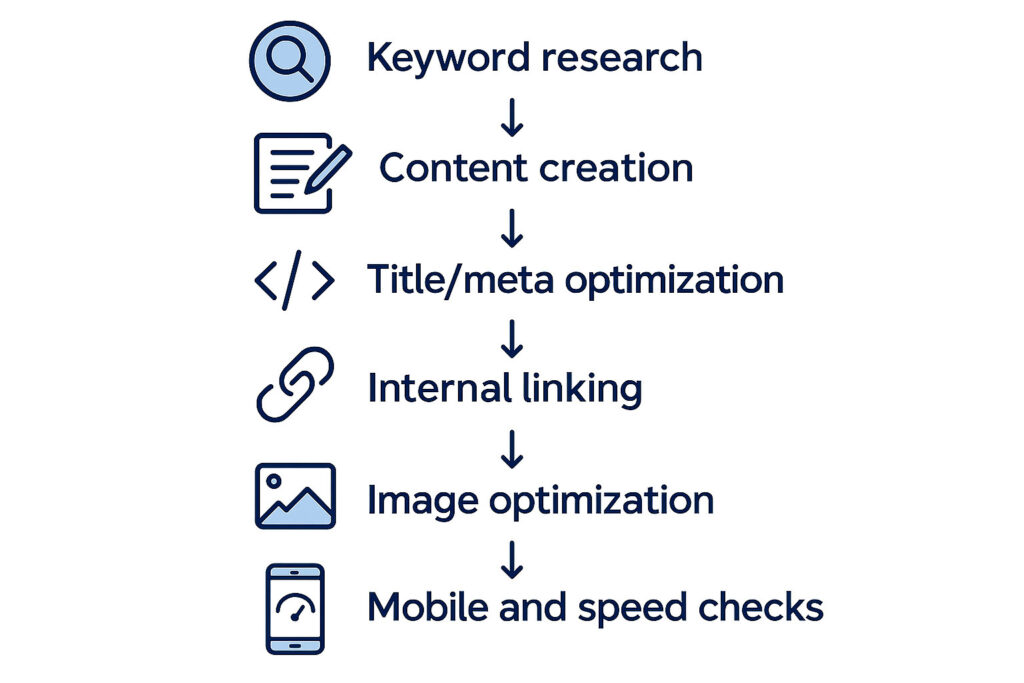
- Keyword Research: Identify primary and secondary keywords for the page.
- Create Content Plan: Outline headings, subheadings, and supporting points.
- Optimize Title and Meta: Include main keyword and make it compelling.
- Write High-Quality Content: Cover the topic comprehensively with proper headings.
- Add Internal and External Links: Link to relevant pages and credible sources.
- Optimize Images: Compress files, use descriptive names, and alt tags.
- Check Mobile and Speed: Test responsiveness and page load times.
- Publish and Monitor: Use Google Search Console and analytics to track performance.
- Update Regularly: Refresh content to maintain relevance and rankings.
Practical Example: On-Page SEO in Action
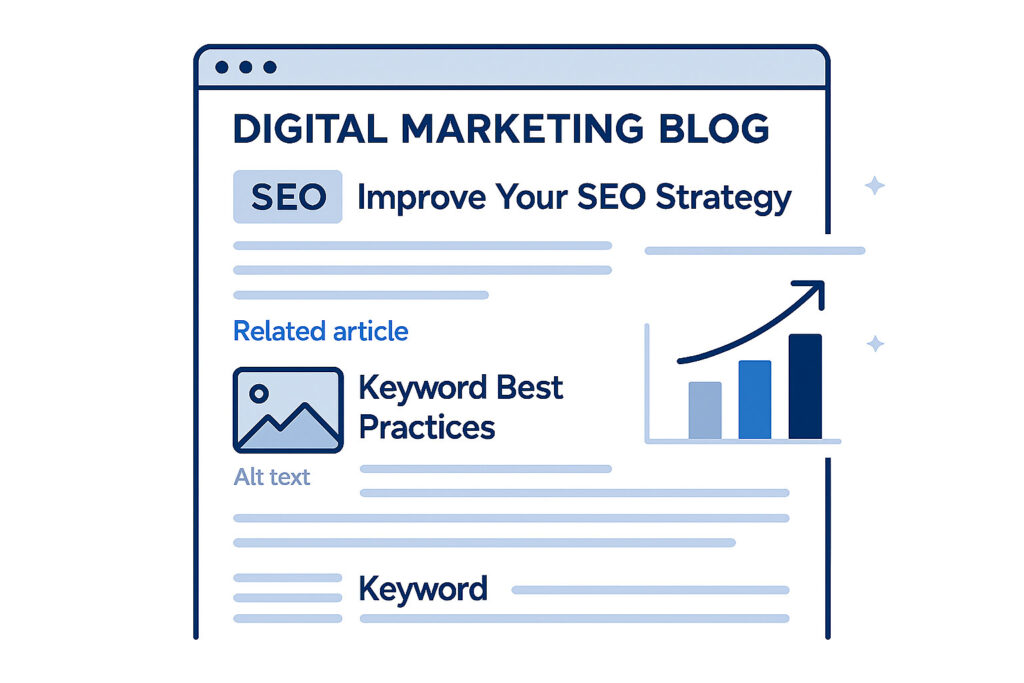
Suppose you have a blog about digital marketing tips:
- Keyword: digital marketing tips for beginners
- Title Tag: Digital Marketing Tips for Beginners: Boost Your Online Presence
- Meta Description: Discover practical digital marketing tips for beginners to improve traffic and conversions.
- Headings: Include H2s like SEO Basics, Social Media Strategies, Email Marketing Tips
- Internal Links: Link to related posts like Keyword Research Tutorial and On-Page SEO Guide
- Images: Add infographics summarizing marketing strategies with alt text
By following on-page SEO best practices, this blog has a higher chance to rank, attract readers, and keep them engaged.
Common On-Page SEO Mistakes to Avoid
- Ignoring search intent
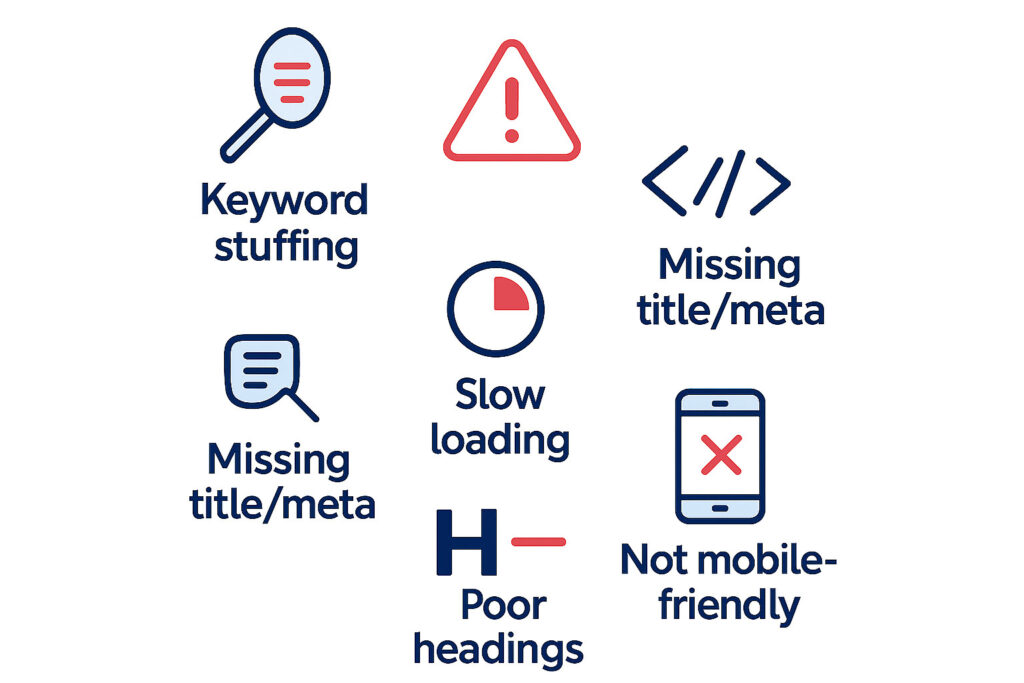
- Keyword stuffing or over-optimization
- Missing meta descriptions or title tags
- Poor URL structure
- Slow-loading pages
- Not using headings or structured content
- Ignoring mobile optimization
Final Thoughts
On-page SEO is the foundation of all search engine optimization efforts. It ensures your content is understandable, relevant, and user-friendly for both search engines and humans.
When optimized correctly, on-page SEO:
- Improves rankings
- Boosts organic traffic
- Enhances user experience
- Increases engagement and conversions
Remember: even with backlinks and promotion, a poorly optimized page will struggle to rank. Focus on quality content, structure, and relevance—that’s the key to successful on-page SEO.
Leave a Reply