
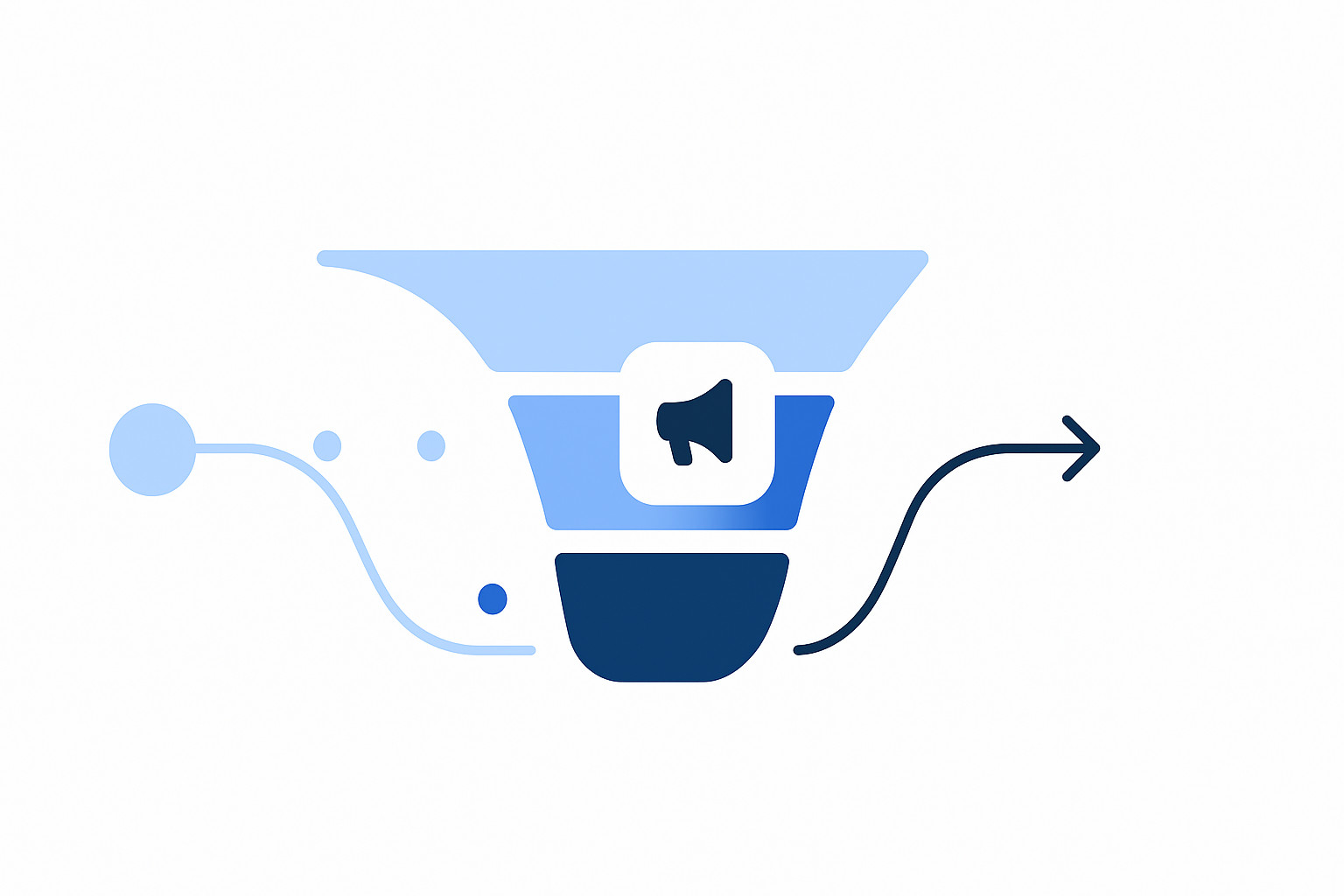
Imagine you’re at a bustling farmer’s market. You stroll past vibrant stalls, each showcasing unique products. Suddenly, a tantalizing aroma catches your attention. You approach the source-a stall selling freshly baked bread. The baker greets you with a warm smile and offers you a sample. Intrigued, you try it and find it delightful. Before you know it, you’ve purchased a loaf, and now you’re a loyal customer. This scenario is akin to the customer journey in digital marketing, where businesses guide potential customers from initial awareness to final conversion. Let’s dive into the fundamentals of this journey, exploring each stage with practical insights and tips.
1. Awareness: The First Impression
The awareness stage is where potential customers first encounter your brand. This is the moment they become aware of your existence. It’s crucial to make a strong first impression, as this stage sets the tone for the entire customer journey. To effectively capture attention, businesses employ various strategies, including:
1.1 Content Marketing
Content is king in the digital age. By creating valuable, relevant, and consistent content, businesses can attract and engage their target audience. Whether it’s blog posts, videos, infographics, or social media updates, content marketing helps establish authority and build trust. For instance, a tech company might publish a series of informative articles about the latest trends in artificial intelligence, positioning themselves as thought leaders in the industry.
1.2 Search Engine Optimization (SEO)
SEO is the practice of optimizing your website to rank higher in search engine results pages (SERPs). By targeting relevant keywords and improving website structure, businesses can increase their visibility online. For example, a local bakery might optimize its website for terms like “best cupcakes in [city]” to attract nearby customers searching for sweet treats.
1.3 Social Media Marketing
Social media platforms offer a powerful way to reach a broad audience. By sharing engaging content, interacting with followers, and leveraging paid advertising, businesses can increase brand awareness. A fashion retailer, for instance, might use Instagram to showcase its latest collection, driving traffic to its online store.
2. Interest: Building Engagement
Once potential customers are aware of your brand, the next step is to pique their interest. This stage involves nurturing leads and encouraging them to learn more about your products or services. Effective strategies for building interest include:
2.1 Email Marketing
Email marketing remains one of the most effective ways to engage with potential customers. By sending personalized, relevant content directly to their inbox, businesses can keep their brand top-of-mind. For example, an online bookstore might send weekly newsletters featuring book recommendations, author interviews, and exclusive discounts.
2.2 Retargeting Ads
Retargeting ads allow businesses to reconnect with website visitors who didn’t make a purchase. By displaying targeted ads across various platforms, businesses can remind potential customers of their interest and encourage them to return. A travel agency, for instance, might use retargeting ads to show users destinations they previously browsed, enticing them to book a trip.
2.3 Interactive Content
Interactive content, such as quizzes, polls, and calculators, can capture users’ attention and encourage engagement. By providing a fun and personalized experience, businesses can deepen their relationship with potential customers. A fitness brand, for example, might create a quiz to help users determine their ideal workout routine, fostering a sense of connection and trust.
3. Consideration: Evaluating Options
As potential customers move through the customer journey, they enter the consideration stage. Here, they evaluate different options and weigh the pros and cons of each. To influence their decision-making process, businesses can employ various tactics, including:
3.1 Case Studies and Testimonials
Case studies and testimonials provide social proof and demonstrate the value of your products or services. By showcasing real-world examples and customer success stories, businesses can build credibility and alleviate any doubts potential customers may have. A software company, for instance, might publish case studies highlighting how their solution helped businesses streamline operations and increase productivity.
3.2 Comparison Charts
Comparison charts allow potential customers to easily compare different options and make informed decisions. By highlighting key features, benefits, and pricing, businesses can simplify the evaluation process. A car dealership, for example, might create a comparison chart showcasing the differences between various car models, helping customers choose the best fit for their needs.
3.3 Free Trials and Samples
Offering free trials or samples can be a powerful way to encourage potential customers to try your products or services. By providing a risk-free experience, businesses can demonstrate value and build confidence. A skincare brand, for instance, might offer free samples of their products, allowing users to test them before committing to a purchase.
4. Intent: Preparing to Purchase
As potential customers near the end of their journey, they enter the intent stage. Here, they’ve made a decision to purchase but may still have lingering questions or concerns. To facilitate a smooth transition to the final conversion, businesses can employ strategies such as:
4.1 Live Chat Support
Live chat support allows potential customers to get real-time assistance and address any last-minute concerns. By providing quick and helpful responses, businesses can enhance the user experience and increase the likelihood of conversion. An e-commerce store, for example, might use live chat to answer questions about product availability, shipping options, and return policies.
4.2 Abandoned Cart Emails
Abandoned cart emails target users who added items to their cart but didn’t complete the purchase. By sending a reminder email with a special discount or incentive, businesses can encourage users to return and finalize their purchase. A clothing retailer, for instance, might send an abandoned cart email offering a 10% discount on the items left behind, enticing users to complete their purchase.
4.3 Clear Call-to-Actions (CTAs)
Clear and compelling call-to-actions (CTAs) guide users toward the desired action, whether it’s making a purchase, signing up for a newsletter, or downloading a resource. By using action-oriented language and prominent placement, businesses can increase the effectiveness of their CTAs. A software company, for example, might use a CTA like “Start Your Free Trial Today” to encourage users to sign up for their service.
5. Conversion: The Moment of Truth
The conversion stage is the culmination of the customer journey, where potential customers become paying customers. To maximize conversions, businesses must ensure a seamless and frictionless experience. Key strategies for optimizing the conversion stage include:
5.1 Streamlined Checkout Process
A streamlined checkout process minimizes barriers and makes it easy for users to complete their purchase. By reducing the number of steps, offering multiple payment options, and providing clear instructions, businesses can enhance the user experience and increase conversion rates. An online store, for example, might implement a one-click checkout option for returning customers, speeding up the purchasing process.
5.2 Mobile Optimization
With the increasing use of smartphones, ensuring a mobile-friendly experience is crucial for maximizing conversions. By optimizing websites and applications for mobile devices, businesses can cater to users on the go and provide a seamless experience across all platforms. A travel booking site, for instance, might design a responsive website that adapts to different screen sizes, making it easy for users to book flights and accommodations from their smartphones.
5.3 Post-Purchase Follow-Up
The customer journey doesn’t end with the purchase. Following up with customers post-purchase can enhance their experience and encourage repeat business. By sending thank-you emails, requesting feedback, and offering additional resources or discounts, businesses can build loyalty and foster long-term relationships. A subscription box service, for example, might send a follow-up email after each delivery, asking for feedback and offering a discount on future boxes.
Conclusion: Mastering the Customer Journey
Understanding and guiding the customer journey is essential for creating effective digital marketing strategies. From the initial awareness stage to the moment of conversion, each step represents an opportunity to engage, educate, and build trust with potential customers. By mapping out the journey, tailoring messaging, and delivering relevant experiences at every stage, businesses can not only drive conversions but also foster long-term relationships and brand loyalty. Mastering the customer journey transforms marketing efforts from generic campaigns into targeted, data-informed strategies that resonate with audiences and deliver measurable results.
Leave a Reply